How to Build Muscle Properly: Expert Guide to Natural Growth
Learn how to build muscle the right way with expert tips on natural growth, strength training, and sustainable fitness results.
29 Sept 2025 • 11 min read
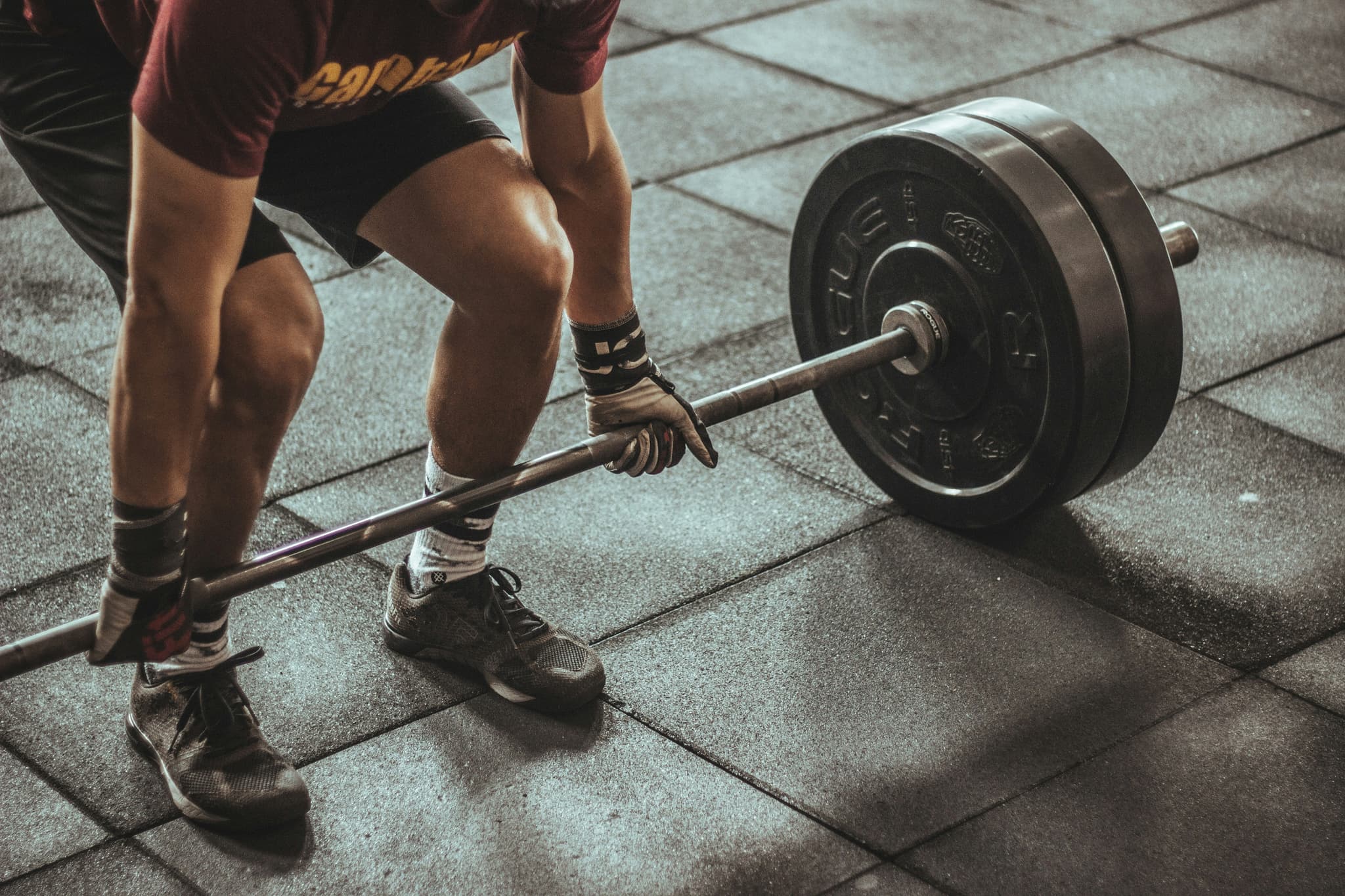
Table of contents
- How to Build Muscle Properly: Expert Guide to Natural Growth
- What Triggers Muscle Growth
- What Really Happens During Resistance Training
- How Hormones Support the Process
- Training Right: Building Muscle Through Exercise
- Choosing between bodyweight, free weights, and machines
- Understanding progressive overload
- Building muscle with compound movements
- How often to train each muscle group
- Nutrition: What Your Muscles Actually Need
- Protein Sources That Work
- When to Eat for Results
- Beyond Protein
- The Missing Piece: Recovery and Long-Term Success
- Why rest matters more than you think
- Sleep: Your secret weapon for muscle growth
- Tracking what matters
- Recognizing when enough is enough
- Takeaways
- FAQs
How to Build Muscle Properly: Expert Guide to Natural Growth
Men lose between 3% to 5% of their muscle mass every decade after turning 30. Yet most people approach muscle building with outdated advice and unrealistic expectations that lead to frustration rather than results.
The fitness world is full of conflicting information about muscle growth. Some claim you need to spend hours in the gym every day, while others promise quick fixes through expensive supplements. But the science of muscle building is more straightforward than the fitness industry wants you to believe.
Research shows that resistance training stimulates muscle growth by creating adaptations to your existing muscle fibers and recruiting more of the fibers you already have. Your body needs adequate protein to support this process — studies indicate the minimum daily requirement is 0.4 grams per pound of body weight. But if your goal is building muscle specifically, you should aim for about 0.8-1.0 grams of protein per pound of body weight.
You don't need to live in the gym, either. Research indicates that a single set of 12 to 15 repetitions with proper weight can build muscle efficiently and can be as effective as three sets of the same exercise. The Department of Health and Human Services recommends strength training exercises for all major muscle groups at least twice weekly.
Building muscle isn't about following the latest trend or copying what works for elite athletes. It's about understanding how your body responds to training, providing the right fuel for growth, and allowing adequate time for recovery. Whether you're starting your fitness journey or struggling to break through a plateau, the principles remain the same.
What Triggers Muscle Growth
Your muscles don't grow simply because you want them to. Three primary factors initiate the hypertrophic (growth) response:
- Mechanical tension - This occurs when muscles generate force against resistance or stretch, creating disturbances in muscle integrity
- Muscle damage - Localized damage to muscle tissue that triggers repair responses
- Metabolic stress - The accumulation of metabolites during intense exercise
Among these, mechanical tension appears most crucial for muscle growth. Research indicates that any resistance training load can produce similar muscle hypertrophy when performed to volitional failure (the point where you cannot complete another repetition). Your muscles respond to the challenge by adapting and growing stronger.
What Really Happens During Resistance Training
When you lift weights or perform resistance exercises, you create microscopic disruptions in muscle fibers. Contrary to popular belief, these aren't actually "tears" but rather minute disturbances in the muscle structure. During intense training, the weakest sarcomeres (muscle units) experience non-uniform lengthening, causing the shearing of myofibrils.
After damage occurs, your body initiates an inflammatory-like response. Neutrophils migrate to the damaged area, followed by macrophages that remove cellular debris. This process leads to the release of growth factors that regulate satellite cell proliferation and differentiation, promoting repair and growth.
This is why you might feel sore for a day or two after training — your body is actively rebuilding stronger muscle tissue.
How Hormones Support the Process
Hormones serve as powerful regulators of muscle growth. Testosterone stands as arguably the most important hormone for building muscle. It binds to androgen receptors (AR) in muscle tissue, stimulating protein synthesis and influencing thousands of genes involved in muscle structure.
Growth hormone (GH) produced by your pituitary gland stimulates the liver to produce insulin-like growth factor 1 (IGF-1), and is ultimately responsible for anabolic muscle growth. Both hormones have an inverse relationship to body fat: the less GH and IGF-1 you produce, the more body fat you'll accumulate.
Resistance exercise increases testosterone levels temporarily, with concentrations typically peaking about 30 minutes post-workout. This hormonal elevation creates an optimal environment for muscle repair and growth, particularly when combined with proper nutrition and recovery.
Training Right: Building Muscle Through Exercise
Your training approach can make or break your muscle-building results. With bodyweight exercises, free weights, and machines all available, the question becomes which method will work best for your goals?

Choosing between bodyweight, free weights, and machines
Each training method offers distinct advantages. Bodyweight exercises require minimal equipment while improving stability, flexibility, and coordination. They're generally easier to learn and have lower injury risk. You can complete an effective bodyweight workout in just 11 minutes.
Free weights (barbells and dumbbells) allow you to work more muscles simultaneously than machines. When performing a dumbbell shoulder press, not only are your shoulders engaged, but also your core, traps, and triceps as stabilizers. Free weights are more versatile and promote functional fitness.
Weight machines provide a fixed range of motion that guides the movement, making them excellent for beginners learning proper form. They're particularly effective at isolating specific muscle groups but generally use fewer muscles than free weights.
Understanding progressive overload
Progressive overload (gradually increasing the training stimulus) is fundamental for continued muscle growth. Without this principle, your progress will quickly plateau. You can implement progressive overload by:
- Increasing weight (adding 2.5-5 pounds for upper body or 5-10 pounds for lower body exercises)
- Adding repetitions or sets
- Decreasing rest time between sets
- Increasing range of motion
For optimal results, choose a weight that creates doubt about whether you can complete all reps in your set. On those final two reps, the weight should slow your movement compared to earlier reps.
Building muscle with compound movements
Compound exercises work through multiple joints simultaneously, engaging several muscle groups in one movement. Since they recruit more muscle fibers, they create greater potential for muscle building.
The most effective compound movements include:
- Squats (targeting thighs, hamstrings, glutes)
- Deadlifts (working thighs, hamstrings, lower back, traps)
- Bench press (engaging chest, shoulders, triceps)
- Pull-ups (activating lats, traps, rhomboids)
For best results, perform 3-5 sets of 5-12 reps of these exercises, depending on load. Do compound exercises before isolation exercises to complete your most energy-taxing work first.
How often to train each muscle group
Research indicates training muscle groups at least twice weekly promotes superior muscle growth compared to once-weekly training. This frequency allows for adequate stimulus while providing sufficient recovery time.
For most healthy adults, strength training each major muscle group two times per week is recommended. You can effectively structure this as upper body exercises twice weekly and lower body exercises twice weekly, with rest days between focus areas.
As you advance in your training journey, you might benefit from increasing frequency up to three times per week per muscle group.
Nutrition: What Your Muscles Actually Need
You can train perfectly, but without proper nutrition, your muscles won't grow. Your body needs specific nutrients to repair damaged tissue and build new muscle fibers after training.
Protein Sources That Work
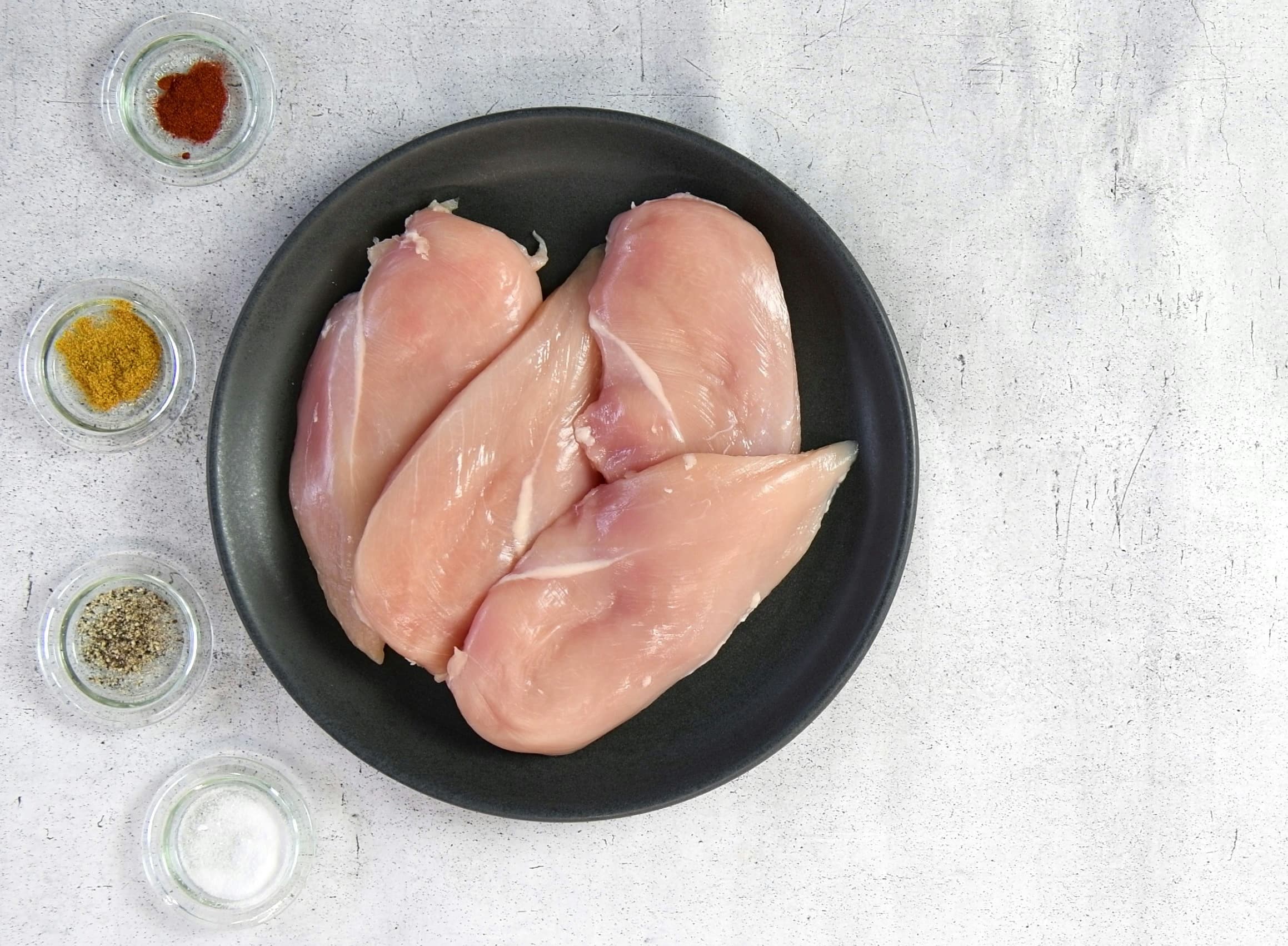
Not all protein is created equal. Animal proteins like lean chicken breast (26g per 3oz), tuna (25g per 3oz), and eggs contain leucine, which directly stimulates muscle protein synthesis. These sources provide all the essential amino acids your muscles need for repair.
Plant-based options include tofu, beans, and chickpeas, though you may need to combine various plant sources to get complete amino acid profiles. Greek yogurt offers a beneficial combination of fast and slow-digesting proteins, making it effective post-workout or before bed.
When to Eat for Results
Consuming protein within two hours after resistance exercise has been shown to enhance muscle growth and recovery. Distributing protein intake evenly throughout the day is more effective than concentrating it in one or two meals. Studies show muscle protein synthesis was approximately 25% greater when protein was distributed evenly across meals versus being concentrated at lunch and dinner.
Beyond Protein
While protein gets most of the attention, carbohydrates remain equally important. They replenish muscle glycogen stores and prevent training fatigue. Healthy fats support hormone production necessary for muscle growth, while vitamins and minerals facilitate energy production and recovery. Adequate hydration maintains optimal performance.
Successful muscle building requires more than just counting grams of protein, it demands a balanced approach to nutrition that supports your training and recovery.
The Missing Piece: Recovery and Long-Term Success
Most people focus entirely on training intensity and protein intake, but miss the most critical component of muscle building: recovery. Without adequate rest, even perfect workouts and nutrition will fail to deliver results.
Why rest matters more than you think
Muscle growth doesn't happen in the gym. It happens during the hours and days after your workout, when your body repairs the microscopic damage created during training. During rest periods, fibroblasts fix these disruptions, resulting in stronger muscles and increased mass.
Your muscles need at least 48-72 hours of recovery between training sessions. This isn't just about feeling ready for your next workout, it's about creating the optimal environment for growth. Rest days help regulate hormones crucial for muscle development, preventing excess cortisol (which inhibits growth) while supporting testosterone production.
Sleep: Your secret weapon for muscle growth
Quality sleep directly impacts your muscle-building potential. During deep sleep, your body releases growth hormone, essential for tissue repair and muscle growth. Studies show good sleep quality correlates with greater muscle strength, while short sleep duration may decrease muscle strength.
Seven to nine hours of quality sleep nightly should be your target. Sleep deprivation can impair both muscular endurance and strength — research shows participants perform fewer repetitions and lift less weight when inadequately rested.
Tracking what matters
You can't improve what you don't measure. If you're not seeing results after several consistent weeks, it's time to reassess your approach. Signs that indicate necessary adjustments include persistent fatigue, decreased performance, or prolonged muscle soreness.
Consider keeping a training log to track your performance, recovery quality, and overall well-being. This simple step helps you identify patterns and make informed adjustments to your program.
Recognizing when enough is enough
Overtraining syndrome affects approximately 60% of elite athletes and 30% of non-elite endurance athletes. Warning signs include elevated resting heart rate, persistent muscle soreness, decreased appetite, and mood disturbances.
Prevention strategies include scheduling regular rest days, alternating intense and lighter training periods, prioritizing sleep, and staying properly hydrated. If symptoms persist, reduce training intensity by 50-70% or consider complete rest until fully recovered.
Takeaways
Building muscle doesn't require expensive supplements or hours in the gym every day. What matters most is consistency with the fundamentals: progressive resistance training, adequate protein intake, and proper recovery.
Your approach to training can be flexible — bodyweight exercises, free weights, or machines all work when applied with progressive overload. Focus on compound movements that work multiple muscle groups, and train each major muscle group at least twice weekly .
Protein needs for muscle building are higher than basic recommendations, but not extreme. Aim for 0.4-1.0 grams per pound of body weight daily, spread across multiple meals throughout the day.
Recovery isn't optional. Muscles grow during rest periods, not during workouts. Sleep quality directly impacts your results, and rest days prevent the overtraining that can derail your progress .
The path to building muscle takes time, but the principles are straightforward. Track your progress, adjust when needed, and stay consistent with your approach — your body will respond to the stimulus you provide.
FAQs
Q1. How much protein do I need to consume daily for muscle growth? For optimal muscle growth, aim to consume 1.6-2.2 grams of protein per kilogram of body weight daily. This is significantly higher than the basic recommended dietary allowance and supports muscle repair and growth.
Q2. What are the most effective exercises for building muscle? Compound exercises like squats, deadlifts, bench presses, and pull-ups are highly effective for building muscle. These movements engage multiple muscle groups simultaneously, creating greater potential for muscle growth.
Q3. How often should I train each muscle group? For most people, training each major muscle group at least twice a week is recommended. This frequency provides adequate stimulus while allowing sufficient recovery time between workouts.
Q4. Is it necessary to use supplements to build muscle? While supplements can be helpful, they're not necessary for muscle growth. A balanced diet with adequate protein, carbohydrates, and healthy fats, combined with proper training and recovery, can effectively support muscle building.
Q5. How important is sleep for muscle growth? Sleep is crucial for muscle growth. During deep sleep, your body releases growth hormone, which is essential for tissue repair and muscle development. Aim for 7-9 hours of quality sleep nightly to support your muscle-building efforts.
Sources:
- https://www.health.harvard.edu/staying-healthy/building-better-muscle
- https://sport.port.ac.uk/news-events-and-blogs/blogs/health-and-fitness/7-stages-of-muscle-growth
- https://www.medicalnewstoday.com/articles/319151
- https://www.mayoclinic.org/healthy-lifestyle/fitness/in-depth/strength-training/art-20046670
- https://journals.lww.com/nsca-jscr/fulltext/2010/10000/the_mechanisms_of_muscle_hypertrophy_and_their.40.aspx
- https://www.stronger.melbourne/blog/micro-tears-and-hypertrophy-separating-fact-from-fiction
- https://pmc.ncbi.nlm.nih.gov/articles/PMC8126497/
- https://www.verywellfit.com/build-muscle-by-manipulating-hormones-3498515
- https://www.frontiersin.org/journals/physiology/articles/10.3389/fphys.2020.621226/full
- https://www.cnn.com/2021/08/19/health/strength-training-weights-body-weight-wellness
- https://www.healthline.com/health/fitness-exercise/free-weights-vs-machines
- https://www.healthline.com/health/progressive-overload
- https://www.menshealth.com/fitness/a64523177/how-to-pick-weights-to-build-muscle/
- https://www.menshealth.com/fitness/a64218759/build-muscle-compound-exercises/
- https://pubmed.ncbi.nlm.nih.gov/27102172/
- https://health.clevelandclinic.org/how-to-build-muscle
- https://www.strongerbyscience.com/frequency-muscle/
- https://pmc.ncbi.nlm.nih.gov/articles/PMC6566799/
- https://www.usada.org/spirit-of-sport/when-consume-protein-muscle-growth/
- https://www.healthline.com/nutrition/26-muscle-building-foods
- https://www.cookunity.com/blog/high-protein-foods-for-muscle-building?srsltid=AfmBOooqryq-NEN2liju6ENywUVj28WgGA8fWqLT8n2DTnX8re1QQq_m
- https://www.healthline.com/nutrition/eat-after-workout
- https://www.medicalnewstoday.com/articles/muscle-building-foods
- https://blog.nasm.org/why-rest-days-are-important-for-muscle-building
- https://www.compositionid.com/blog/dexa/why-rest-recovery-is-crucial-for-muscle-building/
- https://www.betterup.com/blog/sleep-for-muscle-recovery
- https://pmc.ncbi.nlm.nih.gov/articles/PMC5749041/
- https://www.fitresults.net/news/building-lean-muscle
- https://www.uchealth.org/today/rest-and-recovery-for-athletes-physiological-psychological-well-being/
- https://www.uclahealth.org/news/article/no-pain-no-gain-training-too-hard-can-have-serious-health
- https://www.hopkinsmedicine.org/health/conditions-and-diseases/sports-injuries/preventing-sports-injuries
- https://my.clevelandclinic.org/health/diseases/overtraining-syndrome