Macronutrient Guides: Everything You Need to Know About Protein
Discover the ultimate protein guide—learn benefits, sources, and how this key macronutrient supports strength, health, and energy.
25 Sept 2025 • 10 min read
Table of contents
- Macronutrient Guides: Everything You Need to Know About Protein
- What is protein and why does it matter?
- The role of protein in the body
- How protein supports growth and repair
- What does protein do daily?
- Types of Protein and Their Functions
- Complete vs Incomplete Proteins
- Essential and Non-Essential Amino Acids
- Animal vs Plant Proteins
- What Proteins Do in Your Body
- Protein Sources: What Actually Works
- Plant-Based Options
- Building Your Protein List
- Options for Vegetarians
- Quick Protein Snacks
- Meeting Your Daily Protein Needs
- How Much Protein Do You Actually Need?
- Active People Need More
- When Supplements Help
- A Day of Practical Protein
- Takeaways
- FAQs
Macronutrient Guides: Everything You Need to Know About Protein
Most people know protein matters, but few understand what it actually does, or whether they're getting enough. You've probably seen fitness influencers downing protein shakes and heard endless debates about supplements, yet the reality is simpler than the marketing suggests.
Proteins are the molecules that keep your body functioning. They're built from chemical building blocks called amino acids, which your body uses to repair muscles and bones, create hormones, and power countless daily processes. Without protein, your cells couldn't read your genes, your blood couldn't carry oxygen, and your immune system couldn't fight off infections.
What is protein and why does it matter?
Your body contains over 10,000 different proteins, each with a specific structure and function. Think of proteins as long chains of amino acids, the chemical building blocks that link together like beads on a string. These molecules exist in every cell of your body, serving as the fundamental components that make life possible.
The role of protein in the body
Proteins work as your body's essential machinery. They provide structural support to cells and tissues, identify and eliminate harmful bacteria, and break down the nutrients from your meals. Hemoglobin, one of your most crucial proteins, carries oxygen to every tissue in your body.
Each protein type has specialized responsibilities. Antibodies defend against infections, enzymes accelerate chemical reactions, and messenger proteins coordinate communication between cells. Structural proteins like collagen maintain tissue integrity, while transport proteins move vitamins, minerals, blood sugar, and oxygen through your bloodstream.
How protein supports growth and repair
Protein is essential for tissue growth and maintenance. Exercise and injury create microscopic damages in muscle fibers, and your body uses amino acids from dietary protein to repair and strengthen these damaged areas.
Protein needs increase during specific life stages; childhood, adolescence, pregnancy, and breastfeeding all require additional protein. Athletes, older adults, and people recovering from injuries also need more than the usual daily recommendation. For athletes specifically, protein consumption before, during, or after exercise can improve recovery, immune function, and lean body mass maintenance.
What does protein do daily?
Proteins participate in virtually every cellular process. They form the enzymes that drive metabolic reactions and create the hemoglobin that transports oxygen. Daily protein functions include:
- Helping cells interpret genetic information to build new cells and molecules
- Facilitating communication between cells through chemical signals
- Accelerating chemical reactions that generate energy
- Creating channels that allow substances to enter and exit cells
Proteins don't last forever — they continuously break down and require replacement through your diet. This ongoing protein synthesis ensures your body can produce the new proteins it needs to function.
Types of Protein and Their Functions
Not all proteins are created equal. Understanding the differences between protein types can help you make better food choices without getting caught up in marketing claims about "superior" protein sources.
Complete vs Incomplete Proteins
Protein classification comes down to amino acid content. Complete proteins contain all nine essential amino acids your body needs but can't produce. Animal products like fish, poultry, eggs, dairy, beef, and pork fall into this category. Some plant foods — quinoa, buckwheat, hemp seeds, and soy products like tofu and tempeh — also qualify as complete proteins.
Incomplete proteins lack one or more essential amino acids in adequate amounts. This group includes nuts, seeds, whole grains, legumes, and most vegetables. But here's what matters: eating a variety of plant proteins throughout the day creates complete amino acid profiles in your diet.
Essential and Non-Essential Amino Acids
Your body uses 20 different amino acids to build proteins, but can only manufacture 11 of them. The remaining nine — histidine, isoleucine, leucine, lysine, methionine, phenylalanine, threonine, tryptophan, and valine — must come from food.
Each essential amino acid has a specific role. Tryptophan helps produce serotonin, which regulates mood and sleep. Valine supports muscle growth and tissue repair. Non-essential amino acids like alanine, asparagine, and serine can be synthesized by your body when needed.
Some amino acids become "conditionally essential" during illness or stress. Arginine and glutamine, normally produced by your body, may need to come from food during recovery periods.
Animal vs Plant Proteins
Animal proteins offer complete amino acid profiles with high digestibility, making them efficient for muscle building. Plant proteins, while often incomplete individually, provide fiber, antioxidants, and healthy fats alongside their protein content.
Research suggests diets higher in plant protein may reduce cardiovascular disease risk. For optimal health benefits, consider aiming for at least a 1:2 plant-to-animal protein ratio.
What Proteins Do in Your Body
Beyond muscle building, proteins serve as:
- Enzymes that speed up chemical reactions
- Structural components like collagen in skin and bones
- Transport molecules that carry oxygen and nutrients
- Antibodies that defend against infections
- Hormones that send signals between cells
Without these diverse functions, your body's processes would slow stop entirely.
Protein Sources: What Actually Works
The best protein comes from foods you probably already eat. Animal products deliver complete proteins with all nine essential amino acids. Chicken breast provides about 22.5g per 100g, and fish like salmon (22.1g per 100g) and tuna (23.6g per 100g) also offer impressive amounts of protein. Eggs contain 12.4g per 100g, making them an ideal breakfast option.
Dairy products pack substantial protein too. Greek yogurt delivers 9.95g per 100g, and cottage cheese provides 11.1g per 100g. These options work well for quick meals or snacks.
Plant-Based Options
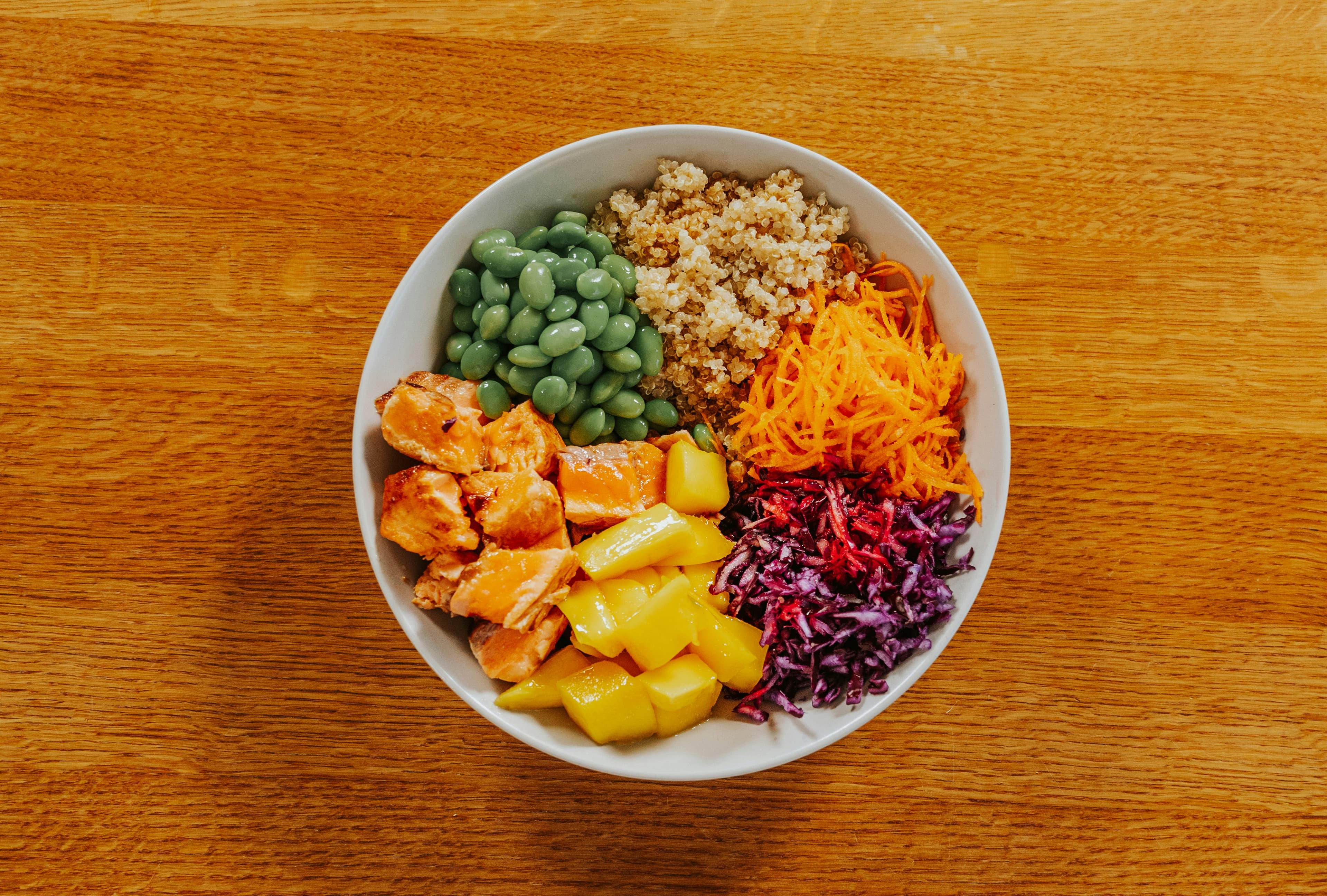
Plant proteins require a bit more planning but offer their own benefits. Seitan (from wheat) contains about 15g per 85g serving, and soy-based foods also deliver solid amounts, like tempeh with 18g per 85g, tofu with 8.5g per 85g, and edamame with roughly 10g per cup.
Legumes like lentils (8g per 85g) and black beans (6g per 85g) make excellent additions to meals. Quinoa stands out among plant proteins because it contains all nine essential amino acids your body cannot produce by itself.
Building Your Protein List
Consider including these reliable sources of protein in your diet:
- Lean meats and poultry
- Fish, especially fatty varieties like salmon
- Eggs
- Dairy products
- Legumes and beans
- Nuts and seeds
- Whole grains
- Soy products
Options for Vegetarians
Vegetarians can get complete proteins through dairy and eggs. Plant combinations work well too, like rice with chickpeas or beans. Soy products like tofu and tempeh provide quality protein comparable to animal sources.
Quick Protein Snacks
Between meals, reach for jerky (9g per ounce), cheese sticks (5-7g each), or hard-boiled eggs (6.3g each). A handful of peanuts delivers about 7g per ounce. Greek yogurt, roasted chickpeas, and edamame travel well and satisfy hunger effectively.
Meeting Your Daily Protein Needs
Once you understand what protein does, the practical question becomes: how do you make sure you're getting what your body actually needs?
How Much Protein Do You Actually Need?
The standard daily recommendation is 0.8 grams per kilogram or 0.4 grams per pound of body weight. But here's the thing: this represents the minimum needed to prevent deficiency, not necessarily what's optimal for your health and goals.
Your protein needs shift as you age. Older adults are recommended to consume 1.2-1.6g per kilogram (0.5-0.7g per pound). If you're dealing with illness, injury recovery, or high stress, your needs climb even higher.
Active People Need More
Regular exercise changes the equation entirely. Endurance athletes require at least 1.2-1.6g per kilogram (0.5-0.7g per pound), while those focused on strength training may need 1.6-2.2g per kilogram (0.7-1.0g per pound). The key insight? Timing matters as much as total intake. Rather than loading up on protein in one meal, aim for 20-40g at each meal.
When Supplements Help
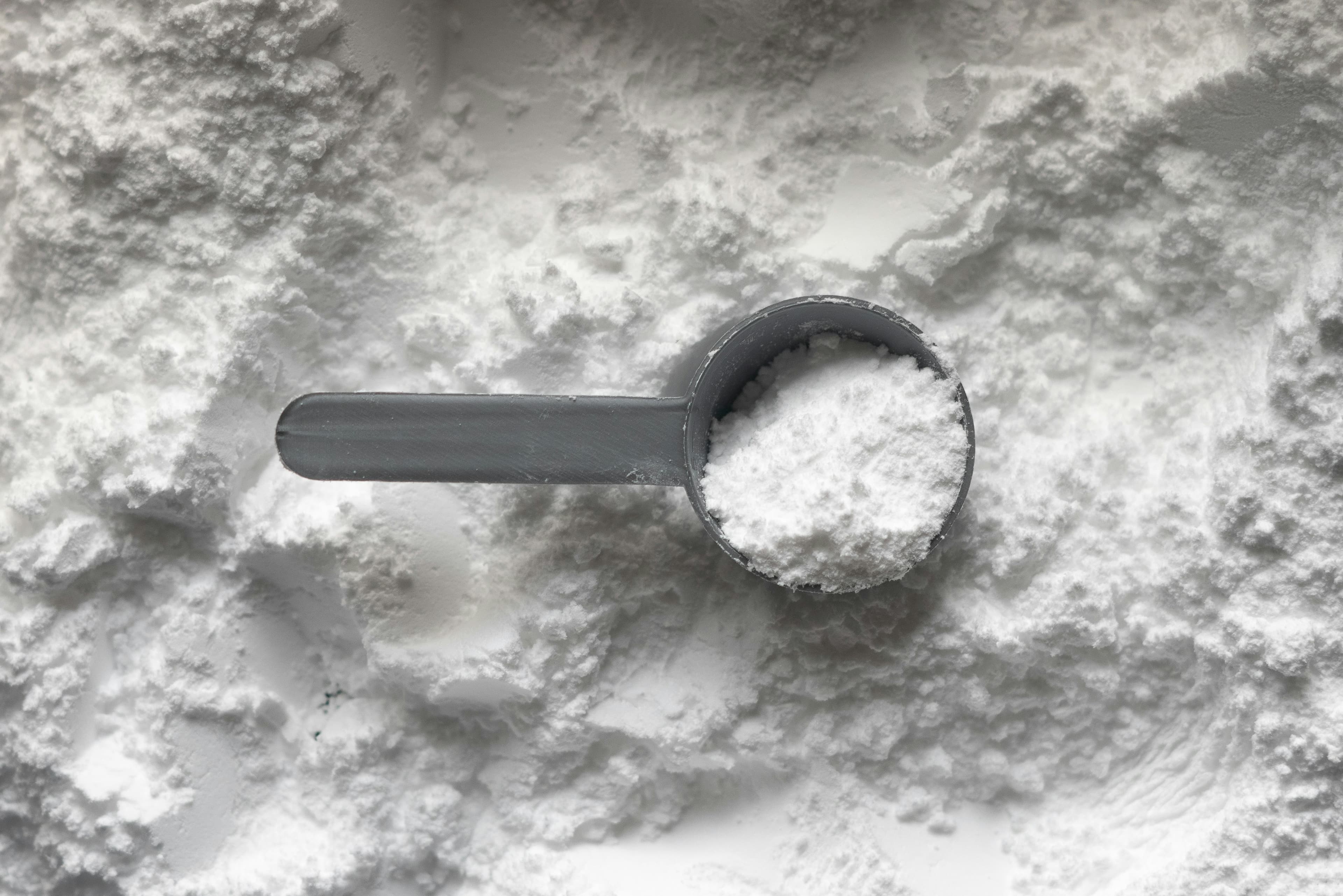
Protein powders and shakes earn their place when you have genuinely higher needs, a packed schedule, or struggle to get enough protein from food alone. They're particularly useful within 30-60 minutes after training or before bed to support overnight recovery.
But supplements work best as exactly that: supplements to a food-based approach, not replacements for it.
A Day of Practical Protein
What does adequate protein intake actually look like? Consider this approach:
Morning: Greek yogurt with nuts and berries (14-20g)
Midday: Chicken salad with quinoa (about 33g combined)
Afternoon: Cottage cheese or a protein shake (14-25g)
Evening: Salmon with beans and vegetables (33g combined)
This pattern delivers plenty of protein without obsessive measuring or expensive products. The focus stays on whole foods that provide protein alongside other nutrients your body needs.
Takeaways
Protein isn't as complicated as the fitness industry makes it seem. Most people already eat enough protein from regular meals — the challenge is understanding when you might need more and how to get it efficiently.
Your protein needs depend on your circumstances. If you're active, over 50, or recovering from an injury, you'll need more than the standard recommendations. But you don't need to obsess over exact calculations or expensive supplements to meet those needs.
The best approach combines both animal and plant proteins throughout your day. Animal proteins offer complete amino acids, while plant proteins bring fiber, antioxidants, and other nutrients that supplements can't match. This variety ensures you get everything your body needs without overthinking the details.
Timing matters more than you might expect. Spreading protein across meals, rather than loading it all into one, helps your body use it more effectively. Consider having some protein before or after workouts if you're trying to build muscle or recover from training.
Supplements have their place, especially if you're constantly busy or have higher protein needs. But they work best as additions to, not replacements for, whole food sources. A protein shake can fill a gap, but it shouldn't be your entire protein diet.
Whether you're scrambling eggs for breakfast, adding beans to your lunch salad, or snacking on Greek yogurt, meeting your protein needs doesn't require perfect planning. Focus on including a protein source with each meal, adjust the amounts based on your activity level, and you'll likely hit your targets without much effort.
FAQs
Q1. What are the main functions of protein in the body? Proteins serve as the body's workhorses, performing crucial tasks such as catalyzing biochemical reactions as enzymes, providing structural support for cells and tissues, transporting molecules throughout the body, defending against foreign invaders as antibodies, and sending chemical signals as hormones.
Q2. How much protein do I need daily? The general recommendation is 0.8 grams of protein per kilogram of body weight daily. This translates to about 56 grams for men and 46 grams for women. However, needs may increase for athletes, older adults, and those recovering from injuries.
Q3. What are some good sources of protein for vegetarians? Vegetarians can obtain protein from various sources including dairy products, eggs, legumes (beans, lentils, peas), nuts, seeds, whole grains, and soy products like tofu and tempeh. Quinoa is particularly noteworthy as it's one of the few complete vegetarian protein sources.
Q4. Are protein supplements necessary? Protein supplements like shakes and powders can be useful when you have busy schedules, higher protein needs, or difficulty consuming enough through food alone. They're especially beneficial post-workout or before bedtime. However, whole food sources should form the foundation of your protein intake whenever possible.
Q5. How can I ensure I'm getting enough protein throughout the day? Spread your protein intake across meals and snacks. A sample day might include Greek yogurt with nuts for breakfast, chicken with quinoa for lunch, a protein shake or cottage cheese as a snack, and fish with beans for dinner. Aim for 20-40g of protein per meal for optimal intake.
Sources:
[1] - https://www.betterhealth.vic.gov.au/health/healthyliving/protein
[2] - https://www.nutrition.org.uk/nutritional-information/protein/
[3] - https://pmc.ncbi.nlm.nih.gov/articles/PMC3905294/
[4] - https://www.webmd.com/diet/benefits-protein
[5] - https://www.healthline.com/nutrition/functions-of-protein
[6] - https://medlineplus.gov/ency/article/002467.htm
[7] - https://my.clevelandclinic.org/health/body/proteins
[8] - https://pubmed.ncbi.nlm.nih.gov/20048505/
[9] - https://www.dairymax.org/blog/essential-role-protein-muscle-growth-recovery-and-reducing-soreness
[11] - https://nutritionsource.hsph.harvard.edu/what-should-you-eat/protein/
[12] - https://www.medicalnewstoday.com/articles/321522
[13] - https://www.verywellhealth.com/high-protein-plant-based-foods-11777239
[14] - https://www.myplate.gov/eat-healthy/protein-foods
[15] - https://www.tuasaude.com/en/high-protein-foods/
[16] - https://pmc.ncbi.nlm.nih.gov/articles/PMC6893534/
[17] - https://www.healthline.com/nutrition/healthy-high-protein-snacks
[18] - https://www.health.harvard.edu/nutrition/high-protein-snacks-to-build-muscle-and-keep-hunger-at-bay
[19] - https://odphp.health.gov/sites/default/files/2019-09/Appendix-E3-1-Table-A4.pdf
[20] - https://www.health.harvard.edu/blog/how-much-protein-do-you-need-every-day-201506188096
[21] - https://longevity.stanford.edu/lifestyle/2024/01/23/protein-needs-for-adults-50/
[22] - https://pmc.ncbi.nlm.nih.gov/articles/PMC2117006/
[23] - https://www.healthline.com/nutrition/best-time-to-take-protein
[24] - https://www.eatingwell.com/best-time-to-drink-a-protein-shake-8659763