Master Cardiovascular Exercise: A Beginner's Blueprint
Start your fitness journey with our beginner’s blueprint to cardiovascular exercise—safe, effective, and built for lasting heart health.
29 Sept 2025 • 13 min read

Table of contents
- Master Cardiovascular Exercise: A Beginner's Blueprint
- Cardio Confusion and What Actually Works
- What People Get Wrong About Cardio
- Why People Skip Cardio Entirely
- How Cardio and Strength Training Actually Work Together
- How Your Heart Responds to Different Types of Cardio
- What is cardiovascular fitness?
- How aerobic and anaerobic systems work
- Cardiovascular endurance vs short bursts
- Best cardiovascular exercise examples for heart health
- How Your Body Actually Adapts to Cardio
- What VO2 Max Really Means for You
- Movement Economy: Why Some People Make Exercise Look Easy
- Finding Your Anaerobic Threshold
- Making Heart Rate Zones Work for You
- A Simple Start: Building Your Cardio Foundation
- Walking: Your Gateway to Better Heart Health
- Finding Your Sweet Spot with Moderate Exercise
- Making Friends with Gym Machines
- Home Workouts: No Equipment Required
- The Beginner's Path to Better Fitness
- When to Add Intervals Safely
- Takeaways
- FAQs
Master Cardiovascular Exercise: A Beginner's Blueprint
Everyone knows that cardiovascular fitness is important, yet most of us treat cardio like an afterthought. We know we should do more of it, but knowing what cardiovascular exercise actually does for our bodies can make the difference between starting a routine and sticking with one that works.
Cardiovascular endurance measures how well your heart and lungs deliver oxygen when you're pushing through medium to high intensity exercise. The gap between everyday people and elite athletes tells an interesting story about what's possible.
Untrained men and women typically show VO2 max values (the maximum amount of oxygen your body can use during exercise) of 25-40 ml/kg/min. Elite athletes can reach 80-95 ml/kg/min. That difference isn't just genetics. It reveals how adaptable your cardiovascular system actually is.
Regular cardio training creates measurable changes: increased cardiac output, better oxygen uptake, and lower rates of death from all causes. Health experts recommend at least 150 minutes of moderate exercise weekly, though many of us fall short of these targets.
But here's what matters more than perfect adherence to guidelines: you don't need elite performance to see real improvements. People can boost their maximum oxygen consumption by 10-15% with modest aerobic exercise. Just 20 minutes of cardio training three times per week maintains good cardiovascular fitness levels.
This guide covers everything from separating cardio myths from facts to building a routine that fits your actual life, not some idealized version of it.
Cardio Confusion and What Actually Works
Fitness culture has created a maze of cardio misconceptions that keep people from getting started or seeing results. These myths aren't just wrong, they're barriers that prevent you from building an effective routine.
What People Get Wrong About Cardio
The fitness world perpetuates several persistent myths about cardiovascular exercise. The biggest one? That cardio must consume hours of your day to matter. Even short 5-10 minute sessions deliver meaningful benefits.
Another widespread belief is that high-intensity interval training (HIIT) is dramatically superior to moderate activities like walking or jogging. Research shows essentially no difference in body fat outcomes between HIIT and moderate-intensity training. Both approaches work when done consistently.
Then there's the fasted cardio obsession — the idea that exercising on an empty stomach maximizes fat loss. Studies consistently show this approach offers no special advantage over fed-state exercise. Whether you eat before or after makes little difference to your results.
Perhaps the most damaging myth suggests that cardio "kills gains" or destroys muscle. This simply isn't accurate when cardio is balanced appropriately with resistance training.
Why People Skip Cardio Entirely
Many fitness enthusiasts avoid cardio completely, convinced it will undermine their strength goals. Others skip it because they believe the only effective cardio happens during long, grueling sessions. Time constraints become a convenient excuse when you think every workout needs to be a marathon.
Some people avoid cardiovascular exercise after buying into the "cardio is king for weight loss" mentality, then growing frustrated when results plateau. The misconception that cardio machines calculate burned calories with perfect accuracy leads to disappointment when weight loss doesn't match expectations.
How Cardio and Strength Training Actually Work Together
Both cardiovascular exercise and strength training offer distinct benefits that complement rather than compete with each other. The American Heart Association recommends at least 150 minutes of moderate-intensity aerobic activity weekly, plus two days of strength training. Neither form should be considered superior, they work best as partners.
Cardio excels at burning calories during activity, while strength training builds muscle that increases your resting metabolic rate. This means you burn more calories even when not exercising. A 2024 European Heart Journal study found that workouts combining both resistance and cardio provide identical cardiovascular benefits as cardio-only routines.
The healthiest approach integrates both types of training rather than choosing sides. Exercise physiologist Katie Lawton puts it simply: "The truth is you need cardio and strength training for your health. Both of them are just as important. You can't put one ahead of the other.”
How Your Heart Responds to Different Types of Cardio
Your heart adapts to whatever demands you place on it. Different types of cardiovascular exercise create distinct changes in how your heart, lungs, and blood vessels function together.
What is cardiovascular fitness?
Cardiovascular fitness measures how efficiently your heart, lungs, and blood vessels deliver oxygen to working muscles during exercise. This fitness component is often measured through VO2 max—the maximum amount of oxygen your body can use during intense activity. Unlike other fitness markers, cardiovascular fitness directly correlates with longevity; studies show higher levels are associated with lower mortality risk from all causes, including heart disease and cancer.
How aerobic and anaerobic systems work
Your body operates through two distinct energy systems, each responding differently to exercise demands.
During aerobic exercise like jogging or swimming, your breathing deepens, heart rate increases, and blood vessels expand to deliver more oxygen to muscles. Your body simultaneously burns fat and glucose for sustained energy. This system can fuel activity for hours when properly conditioned.
Anaerobic exercise operates without oxygen. High-intensity, short-duration activities like sprinting or heavy weightlifting rely on stored energy sources rather than oxygen. This triggers the anaerobic threshold, the point where your body shifts from primarily aerobic metabolism to include anaerobic processes, producing lactate as a byproduct.
Cardiovascular endurance vs short bursts
Endurance training and high-intensity bursts create different adaptations in your cardiovascular system.
Cardiovascular endurance reflects your ability to sustain moderate activity for extended periods. This capacity strengthens over time as your heart becomes more efficient at pumping blood and your muscles extract oxygen more effectively.
Short burst exercises produce different adaptations. High-intensity interval training creates excess post-exercise oxygen consumption (EPOC), meaning your body continues burning calories after your workout ends. Even brief intense efforts can reduce cardiovascular death risk—one study found just three 1-2 minute vigorous activity bursts daily lowered cardiovascular death risk by 50%.
Best cardiovascular exercise examples for heart health
For optimal heart health, incorporate these evidence-backed activities:
- Moderate-intensity options: brisk walking, water aerobics, social dancing, gardening
- Vigorous-intensity choices: uphill hiking, running, lap swimming, singles tennis
The American Heart Association recommends 150 minutes of moderate-intensity aerobic activity weekly, ideally combining both moderate and vigorous exercises for maximum cardiovascular benefits.
How Your Body Actually Adapts to Cardio
Your cardiovascular system changes based on how you challenge it. Understanding these adaptations helps you design workouts that target what you actually want to improve.
What VO2 Max Really Means for You
VO2 max measures the maximum oxygen your body can use during intense exercise, expressed as milliliters of oxygen per kilogram of body weight per minute. Think of it as your aerobic power-to-weight ratio.
High-intensity interval training (HIIT) challenges your body near its maximum heart rate and offers one of the most effective ways to improve VO2 max. Combining intervals with continuous training on alternate days produces optimal results. Even modest improvements matter — regular cardio can increase your VO2 max by 10-15%, whether you're training for elite performance or just want to feel less winded climbing stairs.
Movement Economy: Why Some People Make Exercise Look Easy
Movement economy describes how efficiently you use energy while exercising. It includes technical proficiency (how well you perform movements) and metabolic economy, which determines which fuel sources you use.
Running economy can vary by up to 30% among trained runners with similar VO2 max levels. This explains why some people seem to glide effortlessly while others struggle despite similar fitness levels. Your body naturally seeks the path of least energy expenditure.
For activities lasting longer than 60 minutes, metabolic economy becomes crucial. Aerobic metabolism primarily uses fat, providing virtually unlimited energy compared to your limited glucose reserves. This is why building aerobic efficiency matters more than just pushing harder.
Finding Your Anaerobic Threshold
The anaerobic threshold represents the highest exercise intensity you can sustain without lactate building up substantially in your blood. Cross this line, and your body shifts from using oxygen efficiently to relying on stored muscle energy. Thats when you feel that familiar burning sensation.
Elite athletes often have anaerobic thresholds very close to their aerobic thresholds, sometimes less than 10% difference. This allows them to perform at higher intensities while still primarily using fat for fuel.
Threshold training involves exercising at or slightly above your anaerobic threshold. This teaches your body to clear lactate more efficiently and even use it as fuel.
Making Heart Rate Zones Work for You
Heart rate zones provide personalized intensity guidelines based on percentages of your maximum heart rate, roughly 220 minus your age. But these generic formulas can miss your ideal zones by 20-30 beats per minute.
Zone 1 (50-60% of max) builds basic cardiovascular health. Zone 2 (60-70%) creates the aerobic foundation for all fitness. This sweet spot multiplies mitochondria, increases capillary density, and develops fat oxidation pathways.
Zone 3 (70-80%) improves tempo, Zone 4 (80-90%) targets lactate threshold, and Zone 5 (90-100%) develops maximum speed. The American Heart Association recommends 150 minutes weekly in Zones 1-3 or 75 minutes in Zones 3-4.
Professional testing provides more precise targets, but you can also use the talk test: Zone 2 should allow comfortable conversation, while Zone 4 limits you to short phrases.
A Simple Start: Building Your Cardio Foundation
Starting cardiovascular exercise doesn't require fancy gym memberships or complex routines. What matters is taking that first step and building from there.
Walking: Your Gateway to Better Heart Health
Walking costs nothing, needs no special gear, and works for almost everyone. Focus on good form: head up, shoulders relaxed, core slightly engaged, with a smooth heel-to-toe motion. Begin with just 5-10 minutes daily, then add five more minutes each week until you hit 30 minutes.
But what if walking feels too easy? That's actually the point.
Finding Your Sweet Spot with Moderate Exercise
Once walking becomes comfortable, step up the intensity until you feel warm and slightly breathless. You should be able to speak in short phrases but couldn't carry on a full conversation or sing. Aim for 150 minutes of this moderate activity weekly, or 75 minutes of more vigorous exercise.
Making Friends with Gym Machines
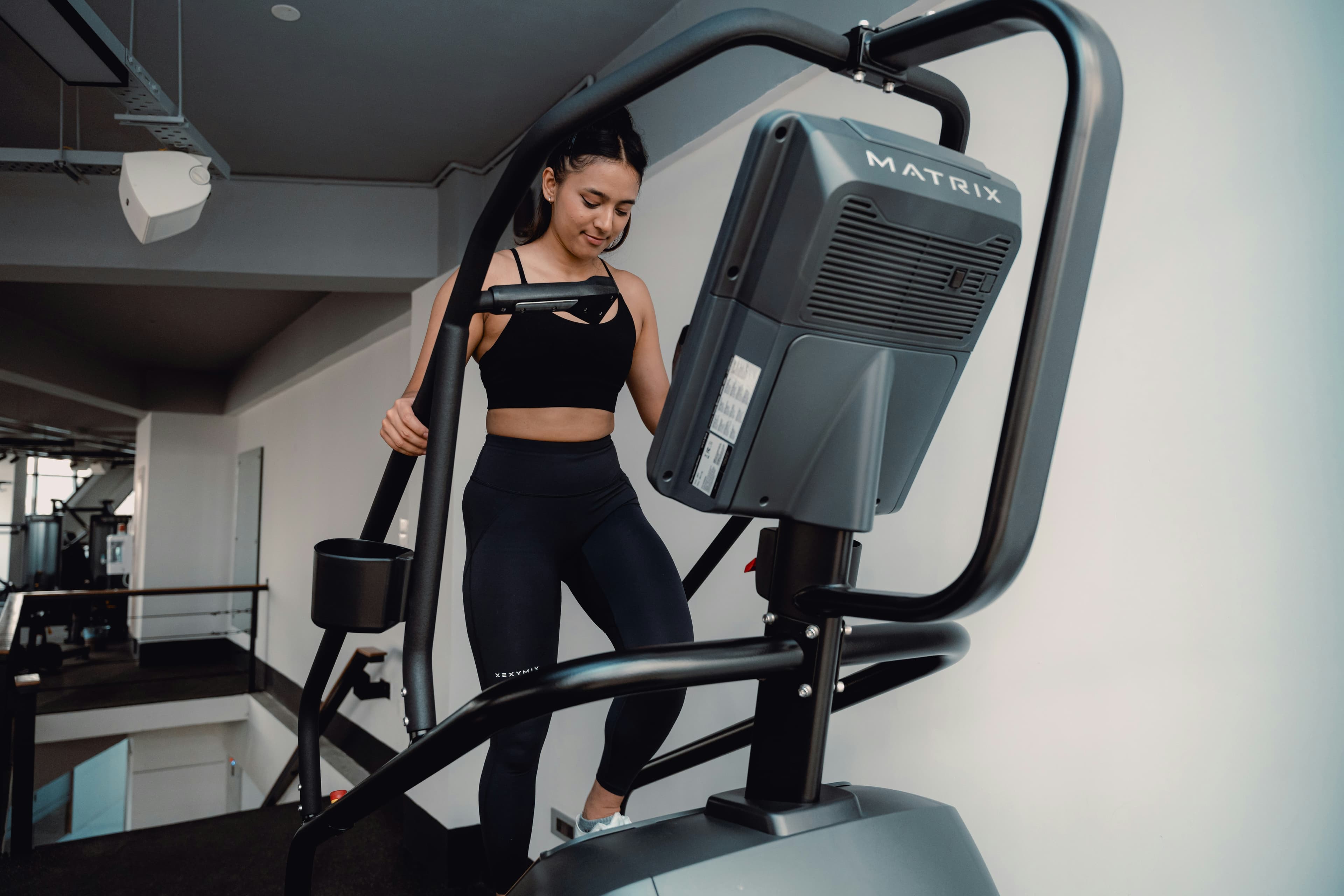
Stationary bikes work well for beginners, especially if joint impact concerns you. Rowing machines might look intimidating, but remember to drive with your legs rather than yanking with your arms. Most machines offer a "quick start" option where you begin with minimal resistance and work your way up.
Home Workouts: No Equipment Required
Simple movements can get your heart pumping right in your living room. Try marching in place, jogging in place, jumping jacks, or pretending to jump rope. Mix in high knees, butt kicks, and standing oblique crunches for variety.
The Beginner's Path to Better Fitness
Start with 10-15 minutes of daily cardio, then gradually extend your sessions with 3-5 sessions per week. Treat your workouts like important appointments you wouldn't dream of canceling.
When to Add Intervals Safely
Wait at least two weeks after beginning regular exercise before introducing intervals. Start simple: five minutes of moderate walking, then 30 seconds to two minutes at higher intensity, followed by 1-3 minutes of recovery. Once your body adapts, you can replace 2-3 regular workouts with interval sessions each week.
Takeaways
Cardiovascular exercise remains one of the most misunderstood aspects of fitness, yet it's also one of the most accessible. You don't need elite performance or hours of training to see real health benefits. Even modest, consistent efforts can improve your cardiovascular capacity and reduce your risk of heart disease.
The science shows that your heart adapts remarkably well to whatever demands you place on it. Whether you choose walking, interval training, or simple bodyweight exercises at home, consistency matters more than perfection.
Start where you are, not where you think you should be. A 10-minute walk beats the hour-long workout you keep postponing. Your cardiovascular system responds to regular challenge, regardless of the starting point.
Both aerobic and anaerobic training offer unique benefits that work together rather than against each other. You can build a routine that fits your actual schedule while still targeting the physiological adaptations that improve your VO2 max, movement economy, and overall heart health.
This blueprint gives you everything you need to begin, the rest comes down to taking that first step and building from there.
FAQs
Q1. What's the best cardiovascular exercise for someone just starting out? Walking is an excellent choice for beginners. It's free, accessible, and requires no special equipment. Start with 5-10 minutes daily and gradually increase to 30 minutes. As you progress, you can explore other low-impact activities like stationary cycling or swimming.
Q2. How often should a beginner do cardio exercises? Aim for 3-5 cardio sessions per week, starting with 10-15 minutes per session. Consistency is more important than intensity at first. Gradually increase the duration of your workouts as your fitness improves.
Q3. Can a 30-minute walk be considered an effective cardio workout? Yes, a 30-minute brisk walk is an effective form of cardiovascular exercise, especially for beginners. It improves heart health, circulation, and endurance. To maximize benefits, maintain a pace that raises your heart rate and leaves you slightly breathless but still able to hold a conversation.
Q4. Is 20 minutes of cardio enough to see health benefits? For beginners, 20 minutes of cardio can provide significant health benefits. This duration allows you to build stamina, increase your heart rate, and establish a consistent exercise habit. As your fitness improves, you can gradually increase the duration and intensity of your workouts.
Q5. When is it safe to introduce interval training into a cardio routine? It's best to wait at least two weeks after starting a regular exercise program before introducing interval training. Begin with a simple pattern: five minutes of moderate activity followed by 30 seconds to two minutes of increased intensity, then 1-3 minutes of recovery. As your body adapts, you can incorporate interval training 2-3 times per week.
Sources:
[1] - https://strengthmatters.com/cardio-for-beginners/
[2] - https://my.clevelandclinic.org/health/articles/24754-cardiovascular-endurance
[3] - https://www.precisionnutrition.com/all-about-cardio
[4] - https://www.npr.org/transcripts/1224599770
[5] - https://petersenpt.com/5-myths-about-cardio-and-fat-loss
[6] - https://centr.com/article/show/16481/busted-5-of-the-biggest-cardio-myths
[7] - https://www.mercyhealthplex.com/blog/4-fitness-myths-debunked/
[8] - https://newsnetwork.mayoclinic.org/discussion/mayo-clinic-q-and-a-top-10-workout-myths/
[10] - https://www.massgeneral.org/news/article/fitness-myths-separating-fact-from-fiction
[11] - https://www.onepeloton.com/blog/cardio-myths
[12] - https://health.clevelandclinic.org/cardio-vs-strength-training
[13] - https://en.wikipedia.org/wiki/Cardiovascular_fitness
[14] - https://www.healthline.com/health/fitness-exercise/cardio-exercises-list
[15] - https://www.healthline.com/health/fitness-exercise/difference-between-aerobic-and-anaerobic
[16] - https://www.vailhealth.org/news/who-would-win-aerobic-vs-hiit-training
[18] - https://korr.com/science-backed-strategies-to-boost-cardiovascular-fitness/
[19] - https://www.healthline.com/health/exercise-fitness/how-to-improve-vo2-max
[20] - https://pmc.ncbi.nlm.nih.gov/articles/PMC4555089/
[23] - https://longevity.technology/clinics/what-is-your-anaerobic-treshold-and-how-can-you-measure-it/
[24] - https://strengthmatters.com/anaerobic-threshold-ultimate-guide/
[25] - https://www.heart.org/en/healthy-living/fitness/fitness-basics/target-heart-rates
[26] - https://www.rei.com/learn/expert-advice/how-to-train-with-a-heart-rate-monitor.html
[27] - https://health.clevelandclinic.org/exercise-heart-rate-zones-explained
[28] - https://www.mayoclinic.org/healthy-lifestyle/fitness/in-depth/walking/art-20046261
[29] - https://www.bhf.org.uk/informationsupport/heart-matters-magazine/activity/exercises-heart-health
[30] - https://www.nhs.uk/live-well/exercise/physical-activity-guidelines-for-adults-aged-19-to-64/
[31] - https://www.fitandwell.com/features/cardio-machines-for-beginners
[32] - https://www.livritefitness.com/blog/beginners-guide-to-cardio-machines
[33] - https://www.medicalnewstoday.com/articles/cardio-exercises-at-home
[34] - https://www.healthline.com/health/cardio-exercises-at-home
[35] - https://www.verywellfit.com/exercise-for-beginners-cardio-exercise-1229578
[36] - https://www.onepeloton.com/blog/cardio-at-home