The Ultimate Guide to GLP-1 Medications | Beyond Weight Loss
Learn how GLP-1 medications work, their benefits, risks, costs, and how to use GLP-1 drugs safely with lifestyle support.
03 Dec 2025 • 14 min read

Table of contents
- The Ultimate Guide to GLP-1 Medications | New WHO Guidelines
- Understand Your Body’s Own GLP-1
- What is GLP-1?
- What does GLP-1 do?
- Natural GLP-1 has a very short life
- What Happens When GLP-1 Signaling Is Not Working Well
- Meet The Medications That Build On This System
- What are GLP-1 receptor agonists?
- Half life and dosing
- How GLP-1 medications work in the body
- Big Pharma Pens vs Compounded GLP-1 Options
- Brand name GLP-1 medications
- Compounded GLP-1 options
- What The New WHO Guideline Says About GLP-1 Medicines
- Is A GLP-1 Right For You Right Now?
- Non Negotiables For Safe And Effective GLP-1 Use
- Eat enough and focus on quality
- Protect your muscle and bones
- Take care of your digestion and hydration
- Do not forget sleep, stress, and daily movement
- Supportive Partners With Glycine and B12
- Think Long Term, Not Just About The First Few Months
- Conclusion: GLP-1s As One Tool In Your Optimization Plan
The Ultimate Guide to GLP-1 Medications | New WHO Guidelines
Reviewed by Carly Morgan, MSN, FNP-C
If you spend any time online, it can feel like everyone is talking about GLP-1 weight loss drugs. Names like Ozempic, Wegovy, and Mounjaro seem to show up everywhere. The message is often that these are quick fixes to shrink your body.
The truth is more complex and more interesting. GLP-1 medications were first developed to treat type 2 diabetes, and they are based on a hormone your own gut already makes. They can be powerful tools for metabolic health. They can also come with real risks, side effects, and costs if they are used without a solid plan behind them.
In this guide, we will walk through what GLP-1 is, how GLP-1 agonist medications for weight loss and diabetes work, what the new World Health Organization (WHO) guideline says, and how to use these treatments in a way that protects your long term health, not just the number on the scale.
Understand Your Body’s Own GLP-1
Before talking about GLP-1 weight loss treatment, it helps to know that GLP-1 is not a foreign chemical. It is a hormone your own body makes every day.
What is GLP-1?
GLP-1 stands for glucagon-like peptide-1. It is a small protein hormone that belongs to a family called incretins. These hormones help your body handle food, especially carbohydrates and fats. GLP-1 is mainly produced by special cells called L cells that live in the lining of your small intestine and colon.
When you eat a meal, nutrients move through your digestive tract. As they come in contact with these L cells, GLP-1 is released into the bloodstream. This happens quickly after you eat.
What does GLP-1 do?
GLP-1 helps coordinate a number of important actions.
- It helps your pancreas release insulin, but mainly when glucose is present.
- It lowers glucagon, a hormone that tells your liver to release sugar into the blood.
- It slows how fast food leaves your stomach.
- It talks to areas in the brain that control appetite and fullness.
Together, these actions smooth out blood sugar swings, prevent big spikes after meals, and help you feel satisfied instead of constantly hungry. This is why GLP-1 for diabetes is so important and why GLP-1 agonist medications can be so effective for both blood sugar regulation and weight, among other things
Natural GLP-1 has a very short life
There is a catch. Natural GLP-1 is broken down very quickly by an enzyme in the body called DPP-4. Its half life is only about one to two minutes, which means it disappears almost as soon as it appears.
Because of this, simply injecting “natural” GLP-1 would not work as a treatment. It would be gone before it could have a lasting effect.
What Happens When GLP-1 Signaling Is Not Working Well
In many people with obesity or type 2 diabetes, this GLP-1 system is not working at its best. Studies suggest that GLP-1 release after meals can be lower, and the body’s response to GLP-1 can be weaker.
There are a few key issues.
- The gut may not release enough GLP-1 after eating.
- The tissues that should respond to GLP-1 may be less sensitive.
- The DPP-4 enzyme continues to break down GLP-1 quickly.
Over time, this combination can contribute to higher blood sugar levels, more hunger, and gradual weight gain. For some people, aging and metabolic stress make this even more pronounced. GLP-1 is still part of the story, but it is not strong enough on its own. That is where GLP-1 medications come in.
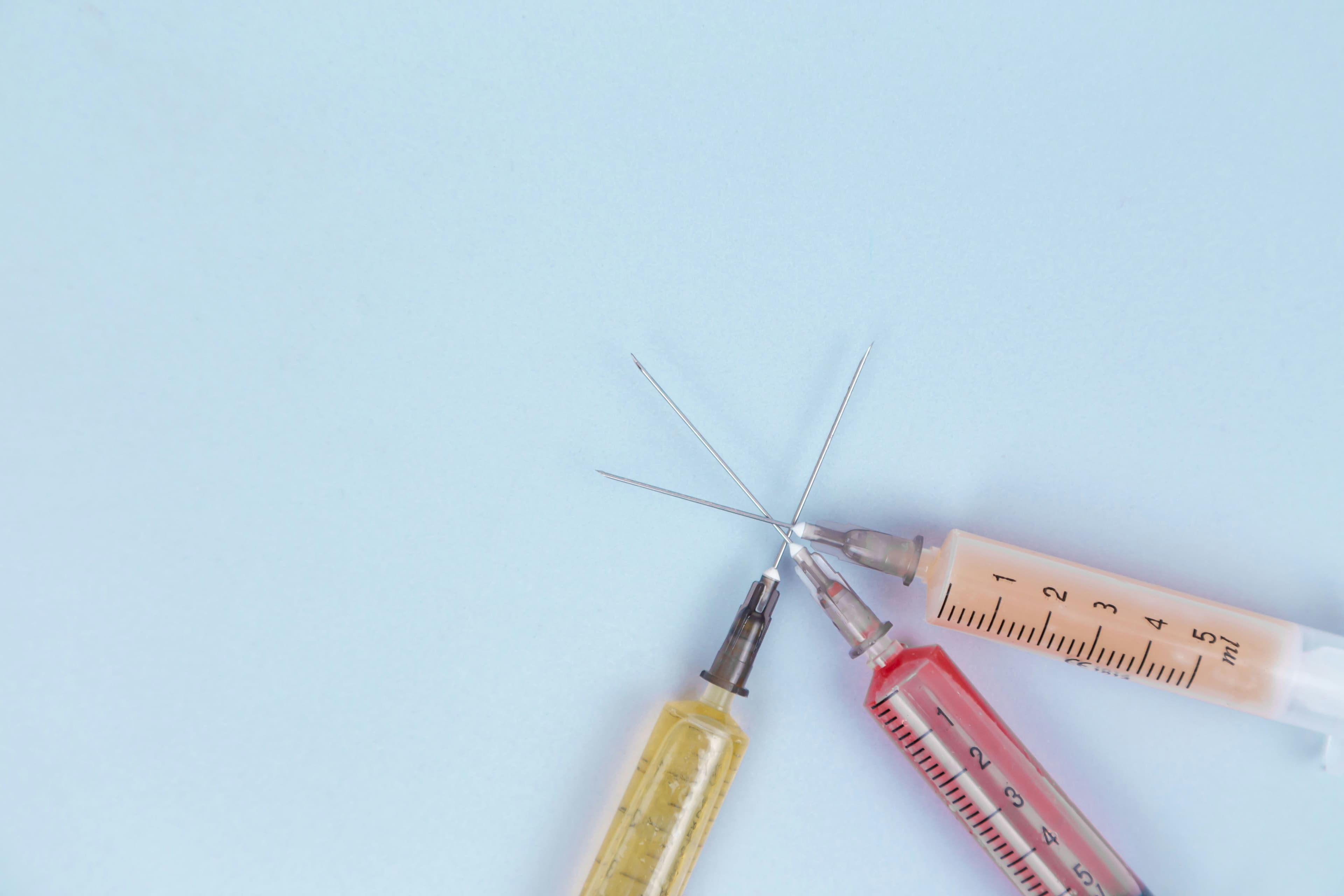
Meet The Medications That Build On This System
GLP-1 medications were designed to build on this natural hormone system while solving the half life problem.
What are GLP-1 receptor agonists?
GLP-1 receptor agonists are medications that activate the same receptors that natural GLP-1 uses. They are shaped like GLP-1, but modified so the body does not break them down as quickly. This allows them to stay in the bloodstream for much longer.
Two of the most talked about examples are:
- Semaglutide, used in products like Ozempic and Wegovy, as well as in some compounded forms.
- Tirzepatide, used in products like Mounjaro and newer weight management brands like Zepbound, and also available in compounded versions. Tirzepatide acts on both GLP-1 and another hormone system called GIP, meaning it acts as a dual agonist.
Half life and dosing
You can think of half life as how long a medication “sticks around” in your system.
- Natural GLP-1: about 1 to 2 minutes.
- Semaglutide: about 7 days.
- Tirzepatide: about 5 days.
These longer half lives allow for weekly injections and more stable effects on appetite and blood sugar, which is why GLP-1 agonist medications for weight loss and GLP-1 for diabetes are often taken once per week.
How GLP-1 medications work in the body
These medications help:
- The pancreas release more insulin when blood sugar is high
- The liver make and release less sugar
- The stomach empty more slowly, which can help with fullness
- The brain send stronger “I am full” signals, so hunger is less intense
This combination explains both the blood sugar benefits and the significant weight loss seen with GLP-1 weight loss drugs in clinical trials.
Big Pharma Pens vs Compounded GLP-1 Options
Once you and your clinician decide that a GLP-1 medication might be appropriate, the next question is often what form to use.
Brand name GLP-1 medications
Well known GLP-1 medications include:
- Ozempic and Wegovy, which contain semaglutide
- Mounjaro and related brands, which contain tirzepatide
These are typically delivered through single use or multi use injection pens that come from large pharmaceutical companies. They are standardized, FDA approved products with extensive trial data.
However, brand name GLP-1 weight loss drugs also come with challenges:
- High GLP-1 medication cost for many patients.
- Insurance coverage gaps and denials.
- Only limited supply in some regions, which has caused shortages
Compounded GLP-1 options
Compounded GLP-1 medications are prepared by compounding pharmacies, often as multi-use vials or prefilled syringes. They can:
- Provide more flexible dosing and slower titration, which can help with GLP-1 medication side effects and tolerance
- Improve access during times of shortage of brand name pens.
- Sometimes reduce out of pocket GLP-1 medication cost for people whose insurance will not pay for branded products.
Compounded formulations may also be combined with other supportive ingredients, such as glycine or vitamin B12, based on a clinician’s protocol and the patient’s needs.
The most important point is that compounding must be done by reputable, accredited pharmacies that follow strict quality standards. Compounded products are not themselves FDA approved. Quality and purity can vary if they are prepared by unregulated or unknown sources. Any decision to use compounded GLP-1 medications should be made with a prescribing healthcare provider who understands both the benefits and the risks.

What The New WHO Guideline Says About GLP-1 Medicines
In 2025, the World Health Organization released its first global guideline on the use of GLP-1 medicines for the treatment of obesity in adults. This is a major signal that GLP-1 weight loss drugs are being taken seriously as medical tools, not just trends.
A few key messages from WHO stand out.
- Obesity is now clearly recognized as a chronic, relapsing disease, not a simple lack of willpower
- GLP-1 therapies, including semaglutide, tirzepatide, and liraglutide, are endorsed as part of long term obesity treatment in adults, except during pregnancy. They are meant to be used together with nutrition support and physical activity
- The recommendations are described as “conditional” because there are still questions about long term safety, health system capacity, and GLP-1 medication cost
WHO also points out that access to GLP-1 medications is highly unequal. Even by 2030, it is estimated that fewer than one in ten people worldwide who could benefit from these drugs will be able to get them.
Finally, WHO is very clear that medication alone will not fix the obesity crisis. GLP-1 weight loss treatment must be combined with healthy eating, physical activity, and behavioral support.
Is A GLP-1 Right For You Right Now?
This is one of the most important questions to sit with.
GLP-1 medications may be considered when:
- A person is living with obesity and has health complications, such as type 2 diabetes or high cardiovascular risk.
- A person with type 2 diabetes is not meeting blood sugar goals despite lifestyle changes and other medications.
- A person has various other medical conditions, such as obstructive sleep apnea or addiction. GLP-1s are currently being studied in several realms of medicine for their effectiveness treating various different diseases.
There are also times when it may be better to wait.
- You are just starting your health journey and have not yet worked on the basics, such as food quality, consistent movement, sleep, and stress.
- You live with ongoing gut issues, such as frequent constipation, diarrhea, or abdominal pain, that are not yet understood or treated.
There are specific medical situations where GLP-1 medications may not be appropriate, including a history of medullary thyroid cancer or multiple endocrine neoplasia type 2, or if someone is underweight. These decisions always require personal discussion with a clinician.
“Not right now” does not mean “never.” It simply means building a safer and more supportive foundation first, so that if you do use a GLP-1 agonist, your body is ready.

Non Negotiables For Safe And Effective GLP-1 Use
Across major medical groups, there is strong agreement that nutrition and lifestyle are essential partners for GLP-1 therapy.
The joint advisory from the Obesity Medicine Association and related groups highlights that GLP-1 therapies can bring powerful benefits, but also bring challenges, including gastrointestinal side effects, risk of micronutrient deficiencies, muscle and bone loss, poor long term adherence with weight regain, and high costs.
To reduce these risks, the advisory outlines several priorities that align closely with what we call non negotiables.
Eat enough and focus on quality
- Make sure you are eating enough total calories to avoid extreme restriction and protect energy levels.
- Emphasize protein at each meal to preserve lean muscle mass.
- Choose nutrient dense, minimally processed foods as much as possible. This helps cover vitamin and mineral needs when total food intake is lower.
Protect your muscle and bones
- Include resistance training two to three times per week to maintain or build muscle strength.
- Pair strength training with adequate protein intake so your body has the building blocks it needs.
This combination is key to avoid the muscle and bone loss that can happen with rapid weight loss on GLP-1 medications.
Take care of your digestion and hydration
- Drink enough water throughout the day.
- Include fiber rich foods such as vegetables, fruit, beans, and whole grains, as tolerated.
- Monitor bowel movements regularly. Constipation is a common GLP-1 medication side effect, and it is easier to manage if you start monitoring early on.
Do not forget sleep, stress, and daily movement
The advisory also emphasizes the value of addressing sleep, activity, mental stress, substance use, and social connection as part of GLP-1 weight loss treatment.
These habits not only improve health on their own, they also make it easier to maintain progress if the medication is ever reduced or stopped.
Supportive Partners With Glycine and B12
You may see protocols that pair GLP-1 medications with nutrients like glycine and vitamin B12. This reflects what many clinicians see in practice.
While the research is still emerging on these additions, existing evidence provides strong support for their use.
- Glycine is an amino acid involved in collagen, connective tissue, and muscle support. During weight loss, especially when appetite is low, glycine can help support recovery and lean tissue. It can be one part of a strategy to protect muscle when someone is on a GLP-1 agonist for weight loss.
- Vitamin B12 plays a key role in energy production and nervous system health. Some people on GLP-1 medications feel fatigue or nausea, and ensuring adequate B12 intake can be one way to support overall well being.
These additions are meant to be supportive, not magic fixes. They should be tailored to the individual, guided by lab work and symptoms, and used under the direction of a knowledgeable clinician.
Think Long Term, Not Just About The First Few Months
GLP-1 medications can produce impressive changes in the first months. Research shows meaningful average weight loss and improvements in metabolic and cardiovascular outcomes in people with obesity who use these drugs.
At the same time, there are real questions about what happens over years.
- Studies have documented weight regain and changes in cardiometabolic markers after stopping semaglutide when lifestyle support is not strong.
- There is concern about muscle and bone loss over time if nutrition and movement are not prioritized.
- GLP-1 medication cost is a serious issue for healthcare systems and individual patients, especially if these are used for many years.
This is why both WHO and the nutrition advisory groups keep repeating the same message. GLP-1 medications are powerful, but they are not enough on their own.
Building strong lifestyle habits is not only good for your health today. It also gives you a safety net if your dose changes, if you need to pause medication, or if access becomes limited in the future.

Conclusion: GLP-1s As One Tool In Your Optimization Plan
GLP-1 medications are not simply “weight loss shots.” They are medical tools built on a hormone your body already makes. For many people, they can improve blood sugar, support weight loss, and reduce health risks when used thoughtfully.
At the same time, GLP-1 weight loss drugs come with side effects, costs, and long term questions. They can increase the risk of nutrient gaps and muscle loss if food intake and movement are not carefully supported. They require careful planning and monitoring, not just a prescription and a pen.
At Geviti, we think about GLP-1 therapies as one piece of a bigger puzzle. Your muscles, your metabolism, your gut, your sleep, and your daily habits all matter. For some people, a GLP-1 medication is a powerful addition to that foundation. For others, the most important “next step” is to master the basics first.
If you are curious whether a GLP-1 medication is right for you, the best place to start is a thoughtful conversation with your care team. Together, you can look at your health history, your goals, your readiness for lifestyle changes, and your access and GLP-1 medication cost. From there, you can decide if these medications are the right tool for you, right now, as part of a plan that supports your health for the long term, not just the next few weeks.
Sources:
- Holst, J. J. (2007). The physiology of glucagon-like peptide 1. Physiological Reviews, 87(4), 1409-39.
- Lotosky, J., Jean, X., Altankhuyag, A., Khan, S., Bernotas, A., Sharafshah, A., Blum, K., Posner, A., & Thanos, P. K. (2025). GLP-1 and Its Role in Glycogen Production: A Narrative Review. Biomedicines, 13(7), 1610.
- Drucker, Daniel J. “The Cardiovascular Biology of Glucagon-Like Peptide-1.” Cell Metabolism, vol. 24, no. 1, July 2016, pp. 15–30,
- AL-Noshokaty, Tohada M., et al. “Unlocking the multifaceted roles of GLP-1: Physiological functions and therapeutic potential.” Toxicology Reports, vol. 14, June 2025, p. 101895,
- Roy, Mrinalika, and Jennifer Rigby. “Who Backs Use of GLP-1 Therapies for Obesity, Warns Access Will Remain Limited.” Reuters, 1 Dec. 2025,
- “WHO Issues Global Guideline on the Use of GLP-1 Medicines in Treating Obesity.” World Health Organization, 1 Dec. 2025,
- “Nutritional Priorities to Support GLP-1 Therapy for Obesity.” Obesity.org, 30 May 2025,