What is Fiber and Why It's The Hidden Hero in Your Daily Diet
Learn what fiber is and why it’s the hidden hero—supporting digestion, heart health, weight management, and overall wellness.
25 Sept 2025 • 10 min read

Table of contents
- What is Fiber and Why It's The Hidden Hero in Your Daily Diet
- Types of Fiber and Their Unique Roles
- Soluble fiber: where to find it and what it does
- Insoluble fiber: benefits and food sources
- Why both types matter for your health
- Finding Fiber: The Best Food Sources to Add to Your Meals
- Fruits That Pack a Fiber Punch
- Vegetables That Deliver
- Grains That Count
- Legumes and Seeds
- Nuts and Other Plant Options
- Simple Changes That Actually Work
- Building Better Snacks
- When Supplements Might Help
- What Not to Do
- A Day of Fiber-Rich Eating
- Breakfast: Whole grain toast with avocado and fruit
- Lunch: Chickpea salad with mixed greens and quinoa
- Snack: Popcorn and fruit
- Dinner: Brown rice stir-fry with tofu and broccoli
- Why water matters when eating more fiber
- Takeaways
- FAQs
What is Fiber and Why It's The Hidden Hero in Your Daily Diet
Americans eat far less fiber than their bodies actually need. While health guidelines recommend 25 to 35 grams daily, most people consume only about 15 grams. This isn't just a minor nutritional oversight, it affects your health in ways you might not expect.
But what exactly makes fiber so important? Fiber helps regulate blood sugar and keeps you feeling full longer, which can support healthy weight management. Your gut bacteria thrive on fiber, and adequate intake promotes regular digestion. Research shows that people who eat enough fiber face lower risks of heart disease, diabetes, and digestive issues. A meta-analysis of 67 controlled trials found that soluble fiber can reduce both total and LDL cholesterol levels.
Throughout this article, you'll learn about the different types of fiber and how they work in your body. You'll discover which foods pack the most fiber and get practical strategies for adding more to your meals without completely changing how you eat.
Types of Fiber and Their Unique Roles
The isn’t just one kind of fiber. Your body actually uses two distinct types in different ways. Understanding how soluble and insoluble fiber work can help you make better food choices for your health.
Soluble fiber: where to find it and what it does
When soluble fiber meets water in your digestive system, it forms a gel-like substance that slows down digestion. This creates a feeling of fullness that can help with weight management. The gel also binds to cholesterol particles in your small intestine and escorts them out of your body, which helps lower LDL cholesterol levels. Blood sugar improves because soluble fiber slows glucose absorption after meals.
Your gut bacteria treat soluble fiber like a feast. As they ferment it, they produce short-chain fatty acids that nourish your colon wall and support immune function. You can find soluble fiber in oats, barley, nuts, seeds, beans, lentils, peas, apples, citrus fruits, carrots, and avocados.
Insoluble fiber: benefits and food sources
Insoluble fiber takes a different approach. It doesn't dissolve in water and passes through your digestive system largely unchanged. This creates bulk in your stool and speeds food movement through your digestive tract. The result? Regular bowel movements and less constipation.
Think of insoluble fiber as your colon's cleaning crew. It helps remove toxins and potentially harmful compounds, which may reduce your risk of diverticular disease, hemorrhoids, and colorectal cancer. Wheat bran, whole grains, nuts, beans, cauliflower, green beans, potatoes, and fruits with edible skins all provide insoluble fiber.
Why both types matter for your health
Soluble and insoluble fiber work as a team in your body. Soluble fiber handles cholesterol and blood sugar management, while insoluble fiber takes care of waste elimination and toxin removal. You need both types to maintain digestive health and prevent chronic diseases.
Most plant foods contain both fiber types, though in different amounts. Legumes, fruits with skins, vegetables, and whole grains naturally deliver this fiber combination. Rather than tracking each type separately, focus on eating a variety of plant foods — you'll get the complete spectrum of fiber benefits without the hassle.
Finding Fiber: The Best Food Sources to Add to Your Meals
Knowing where to look makes building a fiber-rich diet much simpler. Each category of plant foods offers different types and amounts of fiber worth considering for your meals.
Fruits That Pack a Fiber Punch
Berries top the list for fruit fiber; raspberries and blackberries deliver about 8 grams per cup. Passion fruit stands out with an impressive 25 grams per cup, though it's less commonly available.
Here's something worth remembering: keeping the skin on fruits makes a significant difference. An apple with its skin contains up to 332% more vitamin K and 115% more vitamin C compared to a peeled one. Pears offer about 6 grams per medium fruit, making them easy daily choices. Avocados provide nearly 7 grams per half.
Vegetables That Deliver
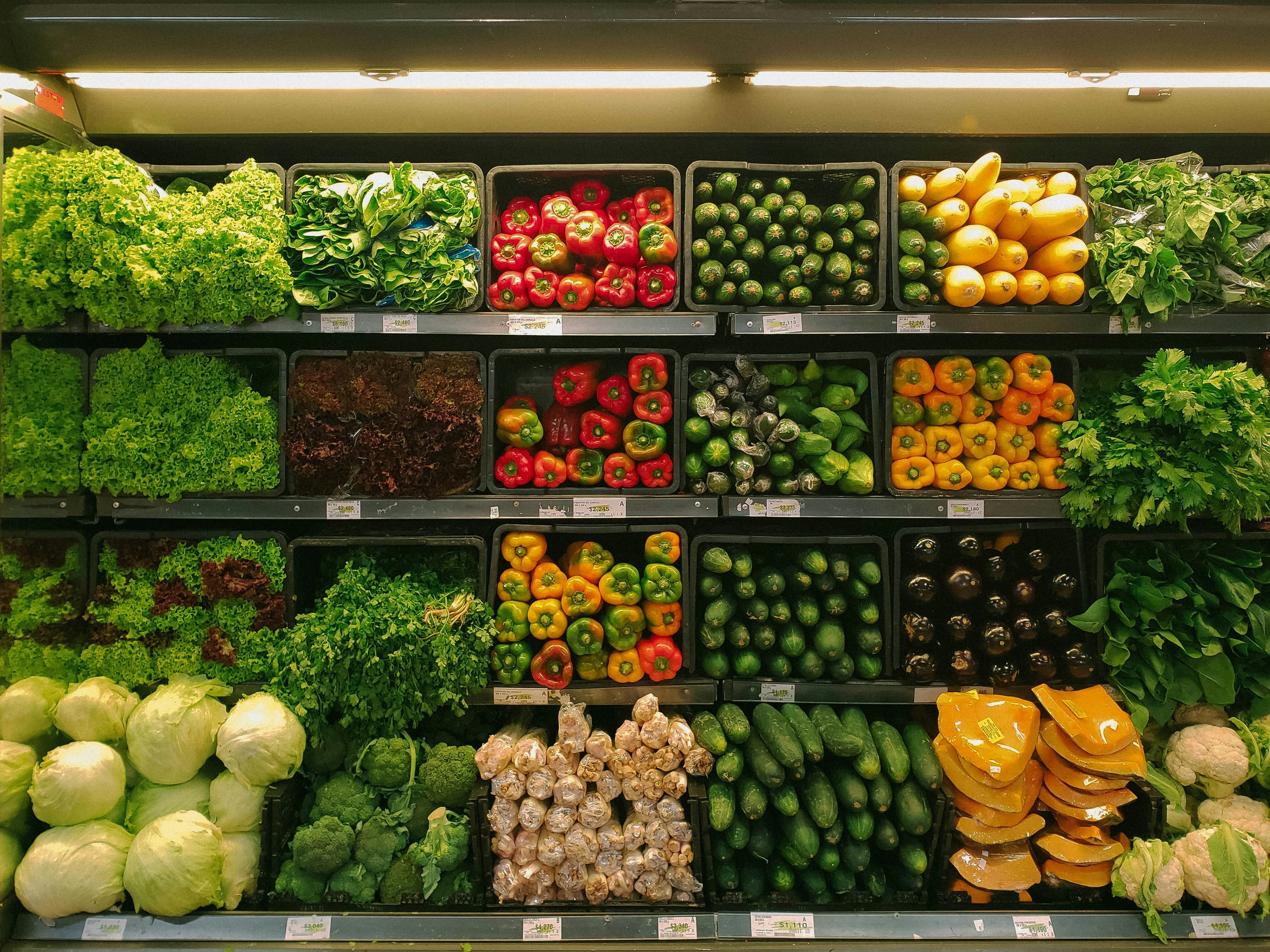
Artichokes lead the vegetable category with 9.6 grams per cup. Brussels sprouts aren't far behind at 6.4 grams per cooked cup. Dark leafy greens like collards and kale each provide around 5 grams per cooked cup.
Even everyday vegetables contribute more than you might expect — broccoli offers 5.2 grams per cup, while sweet potatoes provide 6.3 grams. Turnip greens, beet greens, and mustard greens each deliver about 5 grams per cooked cup.
Grains That Count
Bulgur wheat offers the most fiber among grains at 8.2 grams per cup. High-fiber cereals can provide up to 14 grams per half cup, though you'll want to check labels for added sugars. Barley delivers 6 grams per cooked cup, while quinoa and buckwheat contain around 5 grams each.
Grain choices make a real difference. Brown rice provides 4 grams per cup while white rice only has a single gram.
Legumes and Seeds
Navy beans stand out with 19 grams per cooked cup, making them fiber champions. Split peas and lentils aren't far behind at about 16 grams per cup.
Small seeds pack surprising amounts: chia seeds contain 10 grams per ounce, while flaxseeds deliver 8 grams per ounce.
Nuts and Other Plant Options
Chestnuts lead with 14.9 grams per 100g, which is much higher than most nuts. Almonds and hazelnuts provide around 10 grams per 100g. Pistachios and pine nuts contain about 3 grams per ounce, making them solid snack choices for digestive health.
Simple Changes That Actually Work
You don't need to overhaul your entire diet to boost fiber intake. Small swaps often make the biggest difference.
Replace white bread with whole grain varieties that contain at least 2 grams of fiber per serving. When you're cooking dinner, choose brown rice, wild rice, or quinoa instead of white rice. Baking enthusiasts can replace half their white flour with whole-wheat flour or add crushed bran cereal for extra nutrition.
A good rule of thumb is to keep the peels on fruits and vegetables whenever possible. A small apple with skin has 3.5 grams of fiber, but peeled has less than 2 grams.
Building Better Snacks
Raw vegetables with hummus, fresh fruits, or low-fat popcorn make excellent high-fiber choices. A handful of nuts provides both fiber and healthy fats. Homemade energy balls can combine oats, seeds, and dried fruits for easy, on-the-go fiber.
Instead of granola on your yogurt, try berries and nuts for a quick fiber boost.
When Supplements Might Help
Sometimes your diet falls short despite your best efforts. Supplements like psyllium, guar fiber, or glucomannan can help. However, introduce them gradually to avoid digestive discomfort. Always drink plenty of water with supplements.
Remember that supplements should complement, not replace, fiber-rich foods.
What Not to Do
Adding too much fiber too quickly often leads to bloating and gas. Give your gut microbiome time to adjust by gradually increasing intake over several weeks. Failing to drink enough water — at least 8 cups daily — can cause constipation.
Don't assume "clean eating" automatically means high-fiber eating.
A Day of Fiber-Rich Eating
Getting 30 grams of fiber in a day doesn't require complicated meal planning. This sample menu shows how simple food choices can add up to meet your daily fiber needs.
Breakfast: Whole grain toast with avocado and fruit
Two slices of whole-grain toast topped with half an avocado gives you about 13 grams of fiber. Add a medium pear on the side for another 5.5 grams. This combination delivers both types of fiber and healthy fats that keep you satisfied until lunch.
Lunch: Chickpea salad with mixed greens and quinoa
Half a cup of chickpeas provides 7-8 grams of fiber, while quinoa adds 2.5 grams per half cup. Mix them with plenty of greens for a lunch that delivers about 11 grams of fiber and steady energy through the afternoon.
Snack: Popcorn and fruit
Air-popped popcorn contains 2.1 grams of insoluble fiber per cup. Pair it with a whole fruit, like a pear, for a snack that totals around 7.5 grams of fiber.
Dinner: Brown rice stir-fry with tofu and broccoli
One cup of brown rice gives you 4 grams of fiber, while broccoli adds 5.2 grams per cup. Add tofu for protein, and this balanced meal provides approximately 10 grams of fiber.
Why water matters when eating more fiber
Fiber needs water to work properly. Without enough fluid, adding fiber to your diet can actually make constipation worse. Always drink at least 8 cups of water daily to help fiber function effectively.
Takeaways
Most Americans eat only half the fiber their bodies need, but closing this gap doesn't require a complete dietary overhaul. Simple changes like choosing whole grains, leaving fruit skins on, or adding beans to meals can make a meaningful difference.
Both types of fiber matter for your health. Soluble fiber helps with cholesterol and blood sugar, while insoluble fiber keeps things moving through your digestive system. You don't need to track each type separately — focusing on a variety of plant foods naturally provides both.
Water becomes especially important as you increase your fiber intake. Without enough fluid, fiber can't do its job properly and may even cause constipation. Whether you start with small swaps like brown rice instead of white, or work toward the sample meal plan outlined earlier, every fiber-rich choice supports better health.
Your kitchen already holds the tools for better nutrition. The foods that pack the most fiber (fruits, vegetables, whole grains, beans, and nuts) are widely available and don't require special preparation. Consider starting with one or two changes that feel manageable, then build from there as your body adjusts.
FAQs
Q1. Why is fiber considered a hidden hero in our daily diet? Fiber is crucial for maintaining digestive health, regulating blood sugar levels, and supporting weight management. It also helps lower the risk of heart disease, diabetes, and certain cancers. Despite its importance, most people don't consume enough fiber, making it an often overlooked nutritional powerhouse.
Q2. What are the two main types of fiber and how do they benefit our health? The two main types are soluble and insoluble fiber. Soluble fiber helps lower cholesterol and stabilize blood sugar levels, while insoluble fiber promotes regular bowel movements and removes toxins from the body. Both types work together to maintain overall digestive health and prevent chronic diseases.
Q3. Which foods are excellent sources of fiber? High-fiber foods include fruits like raspberries and pears, vegetables such as artichokes and Brussels sprouts, whole grains like bulgur wheat and quinoa, legumes like navy beans and lentils, and nuts like almonds and pistachios. Incorporating a variety of these foods into your diet ensures a good mix of both soluble and insoluble fiber.
Q4. How can I easily increase my daily fiber intake? Simple ways to boost fiber intake include swapping white bread for whole grain varieties, choosing brown rice over white rice, leaving the skin on fruits and vegetables, and snacking on raw veggies with hummus or a handful of nuts. Gradually increasing fiber intake and drinking plenty of water is key to avoiding digestive discomfort.
Q5. Is it possible to consume too much fiber? While fiber is beneficial, adding too much too quickly can lead to bloating and gas. It's important to increase fiber intake gradually over several weeks to allow your digestive system to adjust. Also, ensure you're drinking enough water (at least 8 cups daily) when increasing fiber consumption to prevent constipation.
Sources:
- https://www.dietaryguidelines.gov/resources/2020-2025-dietary-guidelines-online-materials/food-sources-select-nutrients/food-sources-fiber
- https://nutritionsource.hsph.harvard.edu/carbohydrates/fiber/
- https://wicworks.fns.usda.gov/resources/eye-nutrition-fiber
- https://www.healthline.com/nutrition/why-is-fiber-good-for-you
- https://kennethbrownmd.com/fiber-affect-digestive-health/
- https://pmc.ncbi.nlm.nih.gov/articles/PMC8624670/
- https://www.mayoclinic.org/healthy-lifestyle/nutrition-and-healthy-eating/in-depth/fiber/art-20043983
- https://www.uclahealth.org/news/article/soluble-fiber-what-it-and-why-you-need-it
- https://medlineplus.gov/ency/article/002136.htm
- https://www.medicalnewstoday.com/articles/319176
- https://health.clevelandclinic.org/whats-the-difference-between-soluble-and-insoluble-fiber
- https://www.eatingwell.com/best-high-fiber-fruits-to-eat-11747635
- https://www.healthline.com/nutrition/peeling-fruits-veggies
- https://health.clevelandclinic.org/high-fiber-foods
- https://www.eatingwell.com/article/8044305/best-high-fiber-vegetables/
- https://www.myfooddata.com/articles/whole-grains-high-in-fiber.php
- https://www.eatingwell.com/article/8031247/healthy-whole-grains-to-eat-more-fiber/
- https://www.myfooddata.com/articles/beans-legumes-high-in-fiber.php
- https://pmc.ncbi.nlm.nih.gov/articles/PMC9834868/
- https://www.myfooddata.com/articles/nuts-seeds-high-in-fiber.php
- https://www.nutsforlife.com.au/resource/how-much-fiber-do-nuts-contain/
- https://www.healthline.com/nutrition/16-ways-to-eat-more-fiber
- https://www.eatingwell.com/high-fiber-snacks-to-make-forever-8756423
- https://www.delish.com/cooking/recipe-ideas/g40860207/high-fiber-snacks/
- https://www.eatingwell.com/article/287743/6-high-fiber-food-swaps-to-make-right-now/
- https://sampadocs.com/2023/02/09/colon-health-rules-for-taking-fiber-supplements/
- https://www.businessinsider.com/5-fiber-mistakes-how-to-fix-2023-9
- https://timesofindia.indiatimes.com/life-style/food-news/8-common-mistakes-related-to-fiber-intake-and-simple-remedies/photostory/123010481.cms
- https://www.eatright.org/health/essential-nutrients/carbohydrates/easy-ways-to-boost-fiber-in-your-daily-diet
- https://www.verywellhealth.com/high-fiber-snacks-8634697
- https://www.eatingwell.com/article/8024516/best-high-fiber-snack-foods/
- https://www.mayoclinic.org/healthy-lifestyle/nutrition-and-healthy-eating/in-depth/high-fiber-foods/art-20050948https://www.mdanderson.org/cancerwise/8-tips-for-reaching-your-daily-fiber-intake.h00-159622590.html
- https://thegoodbug.com/blogs/news/fiber-and-hydration-for-digestion?srsltid=AfmBOorRG1aFqp0_MDNHd_1ysOsCtwFOs8LPxZlCJmxu4HgxkbLUplMN