Why Tracking Your Cycle Changes Everything (And How to Do It)
Learn how understanding your menstrual patterns helps you optimize energy, catch health issues early, and work with your hormones instead of against them.
15 Dec 2025 • 13 min read

Table of contents
- What's Actually Happening During Your Cycle
- Your Period (Days 1-5)
- Follicular Phase (Your Period to Ovulation)
- Ovulation (Mid-Cycle)
- Luteal Phase (After Ovulation Until Your Period)
- When Your Cycle Isn't Regular (And What It Means)
- Why You Should Track Your Cycle
- For Fertility or Contraception
- Predict Your Energy and Plan Your Life
- Understand Why You Feel the Way You Do
- Catch Problems Early
- Make Sure You're Actually Ovulating
- How to Track Your Cycle (Without Making It Complicated)
- Use an App or Wearable
- Track Your Basal Body Temperature (BBT)
- Pay Attention to Cervical Mucus
- Consider Hormone-Based Trackers
- Log Key Symptoms
- Tips for Irregular Cycles
- How to Support Your Body During Each Phase
- During Your Period
- Follicular Phase (Period to Ovulation)
- Ovulation
- Luteal Phase (After Ovulation)
- Helpful Supplements
- When to See a Professional
- Check Your Biomarkers
- The Bottom Line
Let's be honest. Most of us learned basically nothing useful about our menstrual cycles in health class. We got the bare minimum: you'll bleed once a month, here's a pad, good luck out there.
But your cycle is so much more than just your period. It's actually one of your body's most important vital signs. Think of it like your internal dashboard. It tells you when your hormones are balanced, when your stress levels are too high, when you're not eating enough, and when something deeper might need attention.
The problem? Nobody taught us how to read the dashboard.
That's where cycle tracking comes in. Because once you start tracking your cycle, you stop feeling like your body is working against you. You start understanding why you feel incredible one week and exhausted the next. You stop blaming yourself for cravings or mood swings and start seeing them as normal biology doing its thing.
Let's break it all down in a way that actually makes sense.
What's Actually Happening During Your Cycle
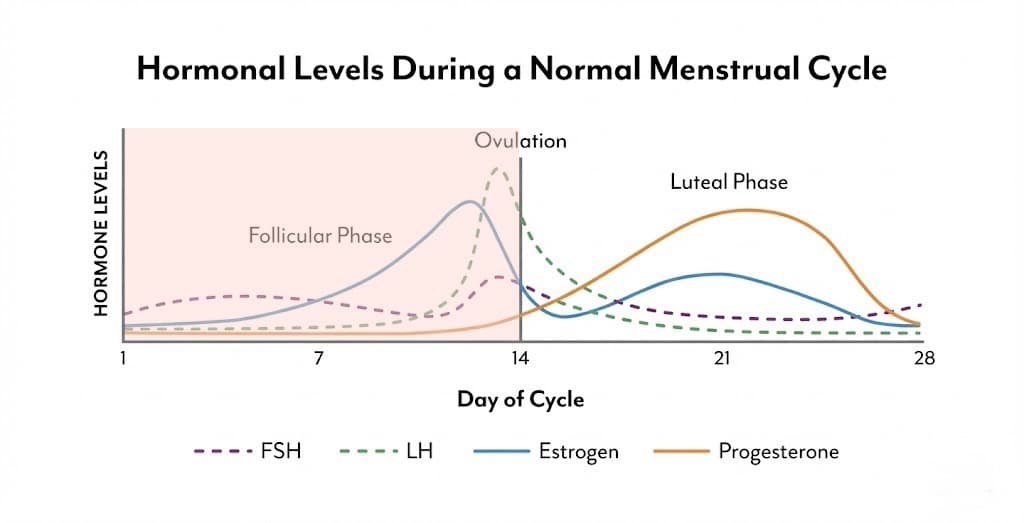
Your menstrual cycle isn't random. It's a carefully orchestrated rhythm that repeats roughly every 21 to 35 days. A few days of variation month to month is completely normal. Your cycle doesn't have to be clockwork perfect to be healthy.
Here's what's happening during each phase.

Your Period (Days 1-5)
This is when you bleed. Estrogen and progesterone are at their lowest, which is why energy often dips and you might feel more tired or crampy. Mild cramping and fatigue are normal. What's not normal is soaking through a tampon every hour, bleeding for more than seven days, or pain so bad you can't function.
Follicular Phase (Your Period to Ovulation)
This phase starts on day one of your period and lasts until you ovulate. Estrogen starts climbing, and with it comes better energy, sharper thinking, and improved mood. Your body also handles carbs more efficiently during this time, which is why workouts might feel easier and you might feel lighter overall.
You might notice your brain feels clearer. That's estrogen doing its job. It supports memory, creativity, focus, and even confidence. This is often when women feel most "on."

Ovulation (Mid-Cycle)
Around day 14 of your cycle, your body releases an egg. This is triggered by a surge of luteinizing hormone (LH). Estrogen peaks right before ovulation, and this is usually when you feel your absolute strongest. Energy is high. Libido is high. Confidence is high. Many women hit personal records in the gym during this window.
You can tell ovulation is near if your cervical mucus becomes clear and stretchy, kind of like egg whites. Your body temperature also shifts, staying lower before ovulation and rising slightly after.

Luteal Phase (After Ovulation Until Your Period)
After ovulation, progesterone takes over. This hormone increases your body temperature, boosts your appetite, and can make you feel more tired or emotionally sensitive. That's all normal. Progesterone is actually preparing your body for a potential pregnancy, even if you're not trying to get pregnant.
This is the phase where premenstrual syndrome (PMS) symptoms show up. Cravings increase because your metabolic rate goes up a little. You're literally burning more calories, so your body asks for more fuel. It's not a lack of willpower, it's biology.
Right before your period starts, both estrogen and progesterone drop sharply. That's what triggers bleeding. It's also what triggers mood swings, sleep issues, and all those "why do I feel like this" moments.
When Your Cycle Isn't Regular (And What It Means)
Sometimes your cycle isn't predictable. It might be longer or shorter than usual, or you might skip periods altogether. Irregular cycles are your body's way of waving a red flag. Something is going on under the surface, and your cycle is clueing you in.
Here are some common reasons cycles go off track.

Stress and burnout. When your body is under chronic stress, it puts reproduction on the back burner. Your brain literally turns down the hormones that trigger ovulation because it thinks you're in survival mode. You might notice longer cycles, missed periods, or worse PMS.
Not eating enough or over-exercising. If you're taking in less energy than you're burning, your body will suppress reproductive hormones to conserve resources. Even small calorie deficits over time can mess with your cycle. Signs include cold hands and feet, low libido, thinning hair, and trouble building muscle.
PCOS (Polycystic Ovary Syndrome). This is one of the most common hormonal conditions in women. It involves irregular ovulation, often driven by insulin and androgen imbalances. Cycles tend to be long (more than 35 days), and you might notice acne, facial hair, oily skin, or difficulty losing weight.
Thyroid issues. Your thyroid controls your metabolism, and when it's off, your cycle suffers. An underactive thyroid can cause longer cycles and heavier bleeding. An overactive thyroid can cause shorter, lighter cycles or missed periods. Other symptoms include fatigue, weight changes, and temperature sensitivity.
Coming off birth control. Hormonal birth control suppresses ovulation. After you stop, your brain needs time to figure out how to make those hormones on its own again. It's common to have irregular cycles for a few months while things recalibrate.
Why You Should Track Your Cycle
Tracking your cycle isn't just for people trying to get pregnant. It's useful for literally every woman, no matter what your goals are. Here's why.

For Fertility or Contraception
If you're trying to conceive, tracking helps you identify your fertile window. That's roughly six days: the five days before ovulation plus the day of ovulation itself. Timing intercourse during this window significantly increases your chances.
If you're using fertility awareness for contraception, tracking helps you know when you're most and least fertile. With perfect use, it is up to 99% effective at preventing pregnancy. Either way, understanding your cycle gives you more control and body literacy.
Predict Your Energy and Plan Your Life
Once you know your patterns, you can plan around them instead of getting blindsided.
Want to schedule a big work presentation or a tough workout? Do it during your follicular phase or around ovulation when your energy and confidence peak. Planning a beach vacation? Check if you will be on your period so you can pack accordingly.
Expecting stronger cravings next week? Plan meals ahead of time so you're not standing in front of the fridge at 9 p.m. wondering why you feel out of control.
Understand Why You Feel the Way You Do
Your hormones shift all month long, and those shifts affect how you feel. Energy dips aren't inconsistency. Cravings aren't a lack of discipline. Mood swings aren't you "being emotional." They're your body responding to real, measurable hormonal changes.
Tracking helps you stop fighting yourself and start working with your biology.
Catch Problems Early
Cycle changes are often the first sign that something else needs attention. You might notice stress is affecting your cycle before full burnout hits. You might catch under-eating or overtraining before it becomes a bigger issue. You might spot thyroid dysfunction or PCOS patterns months earlier than you otherwise would.
Your cycle is like your body's check engine light. Tracking gives you the data to troubleshoot.
Make Sure You're Actually Ovulating
Many people don’t know that bleeding every month doesn't automatically mean you ovulated. You can have a period without ovulation, and that's a problem because ovulation is the main event. Without it, you don't produce progesterone, which means your hormones are out of balance all month.
Signs you didn't ovulate include no temperature rise, no LH surge, cervical mucus that never changes, and worse PMS symptoms. Tracking helps you notice these signs so you can address them.
How to Track Your Cycle (Without Making It Complicated)

Use an App or Wearable
Download a period tracking app like Clue, Flo, or Stardust. If you have an Apple device, you can use the cycle tracker built into Apple Health (free!). Wearables like Oura, WHOOP, or Garmin can automatically log your temperature trends and predict phases for you.
Apps and wearables make pattern recognition easy. Even a few months of tracking can give you massive insights.
Track Your Basal Body Temperature (BBT)
Take your temperature first thing in the morning before you get out of bed, ideally at the same time every day. Your temperature stays low before ovulation and rises slightly (0.5-1°F) after because progesterone increases body heat.
A jump in BBT confirms that ovulation happened. It doesn't predict it, but it helps you understand your luteal phase length and spot cycles where you didn't ovulate.
Pay Attention to Cervical Mucus
Your cervical mucus changes throughout your cycle. When it's sticky or creamy, you're not fertile. When it becomes clear and stretchy like egg whites, ovulation is coming soon.
This is one of the earliest signs that your fertile window is starting, and it's helpful whether you're trying to conceive or just want to understand your body better.
Consider Hormone-Based Trackers
Devices like Inito or Mira measure hormones in your urine. They track estrogen trends, the LH surge that predicts ovulation, and progesterone to confirm ovulation actually happened. They're more accurate than basic LH strips and especially useful if your cycles are irregular.
Log Key Symptoms
You don't need to log every single symptom. Just note:
- First day of bleeding
- Flow (light, medium, or heavy)
- Cervical mucus changes
- Temperature shifts
- LH surge (if you're testing)
- Energy, mood, cravings, sleep quality
- How workouts feel
Keep it simple. You're looking for patterns, not perfection.
Tips for Irregular Cycles
If your cycles are unpredictable, use multiple tracking methods. Combine temperature, cervical mucus, and LH testing to get a clearer picture. Focus on identifying ovulation instead of just tracking bleeding. Be patient. It might take three or more months to spot patterns, but the data is worth it.
How to Support Your Body During Each Phase
Once you know where you are in your cycle, you can adjust your nutrition and exercise to work with your hormones instead of against them.

During Your Period
Nutrition: Focus on iron and magnesium to support energy and reduce cramping. Warm, easy-to-digest meals like soups and stews can feel really good. Stay hydrated because blood loss increases your fluid needs.
Exercise: Light movement like walking, yoga, or cycling often reduces cramps. If you feel good, lifting is completely safe. If your symptoms are rough, prioritize rest. Your period isn't a reason to avoid exercise, but it's also not a reason to push through pain.
Follicular Phase (Period to Ovulation)
Nutrition: Your body handles carbs really well during this phase, so don't be afraid of them. Focus on lean proteins, fruits, vegetables, and whole grains. After your period ends, prioritize iron-rich foods like meat, lentils, and spinach to replenish what you lost during bleeding. Pair them with vitamin C for better absorption.
Exercise: This is when you're on an upswing. Energy and strength are climbing, so it's a great time for heavier lifting or tougher workouts. If your period symptoms are mild, keep training as usual. If you're crampy or tired, lighter movement like walking or yoga is still beneficial.
Ovulation
Nutrition: Your appetite might dip slightly, but don't under-eat. Keep meals balanced with protein, healthy fats, and carbs. Include foods rich in zinc, selenium, and antioxidants (like berries and nuts) to support egg quality and reduce inflammation.
Exercise: This is your peak strength window. Many women hit personal records here. It's a great time for heavy lifts, sprints, or high-intensity training. Just warm up well and keep your technique sharp.
Luteal Phase (After Ovulation)
Nutrition: Your appetite increases because progesterone raises your metabolic rate and you're burning more calories. Add a little more food, especially carbs and protein, to stay satisfied. Good options include rice bowls, baked potatoes, oats, pasta, and beans. Magnesium-rich foods like pumpkin seeds and dark chocolate can help with mood and bloating.
Exercise: Workouts might feel harder during this phase. That's normal. You can still lift heavy if you want to, but moderate intensity or steady cardio might feel better. If PMS hits hard, lighten the load or shorten your sessions without guilt.
Helpful Supplements
Magnesium supports mood, sleep, and muscle function. Iron supplements replenish your stores after your period. B vitamins help with energy. Omega-3s reduce inflammation. Adaptogens like ashwagandha can help with stress resilience. Talk to your doctor and check your biomarkers before adding supplements to figure out what you actually need.
When to See a Professional
Sometimes symptoms aren't just "part of being a woman." They're signs that something needs medical attention.

See a doctor if:
- Your cycles are consistently shorter than 21 days or longer than 35 days
- You're soaking through a tampon or pad every hour
- Your period lasts more than seven days
- Cramping is so severe it interferes with daily life
- You haven't had a period in three months and you're not pregnant
- You have unusual discharge (gray, green, yellow, foul-smelling, or accompanied by itching or burning)
- Sudden cycle changes that don't resolve after two to three months
Conditions like PCOS, endometriosis, and thyroid dysfunction all require professional support. The good news is that early identification means earlier intervention, which leads to better outcomes.
Check Your Biomarkers

Biomarker testing is also key. Blood work can show you what's happening with hormones like FSH, LH, estradiol, progesterone, testosterone, and thyroid markers. It gives you a clear picture of your hormones so you're not just guessing based on symptoms. For blood testing, it’s typically recommended to get your blood drawn on days 19-22 of your cycle for the most accurate insights.
That's where Geviti comes in. Geviti offers comprehensive at-home blood testing that analyzes your hormone and biomarker levels. You get personalized supplement recommendations based on your specific imbalances, plus a data-driven approach to understanding your cycle patterns. No waiting months for appointments. Just accessible testing that bridges the gap between tracking symptoms and understanding root causes.
The Bottom Line
Cycle tracking isn't about obsession or perfection. It's about understanding your body's patterns so you can work with your biology instead of feeling like it's working against you.
Whether you're optimizing training, managing symptoms, trying to conceive, or just want to know what's normal for you, the data gives you power. Start simple, stay consistent, and remember that your cycle is a vital sign worth paying attention to.
Your body is talking to you every single month. It's time to start listening.